Guide · First visit · 69 places · updated
Where to Eat in Cape Town on Your First Visit
“Where should we eat?” is a question we’re always happy to get, especially from someone visiting Cape Town for the first time. How long are you here? Where are you staying? And how many lunches can we reasonably persuade you to fit into one holiday?
The Noms desk · November 2026
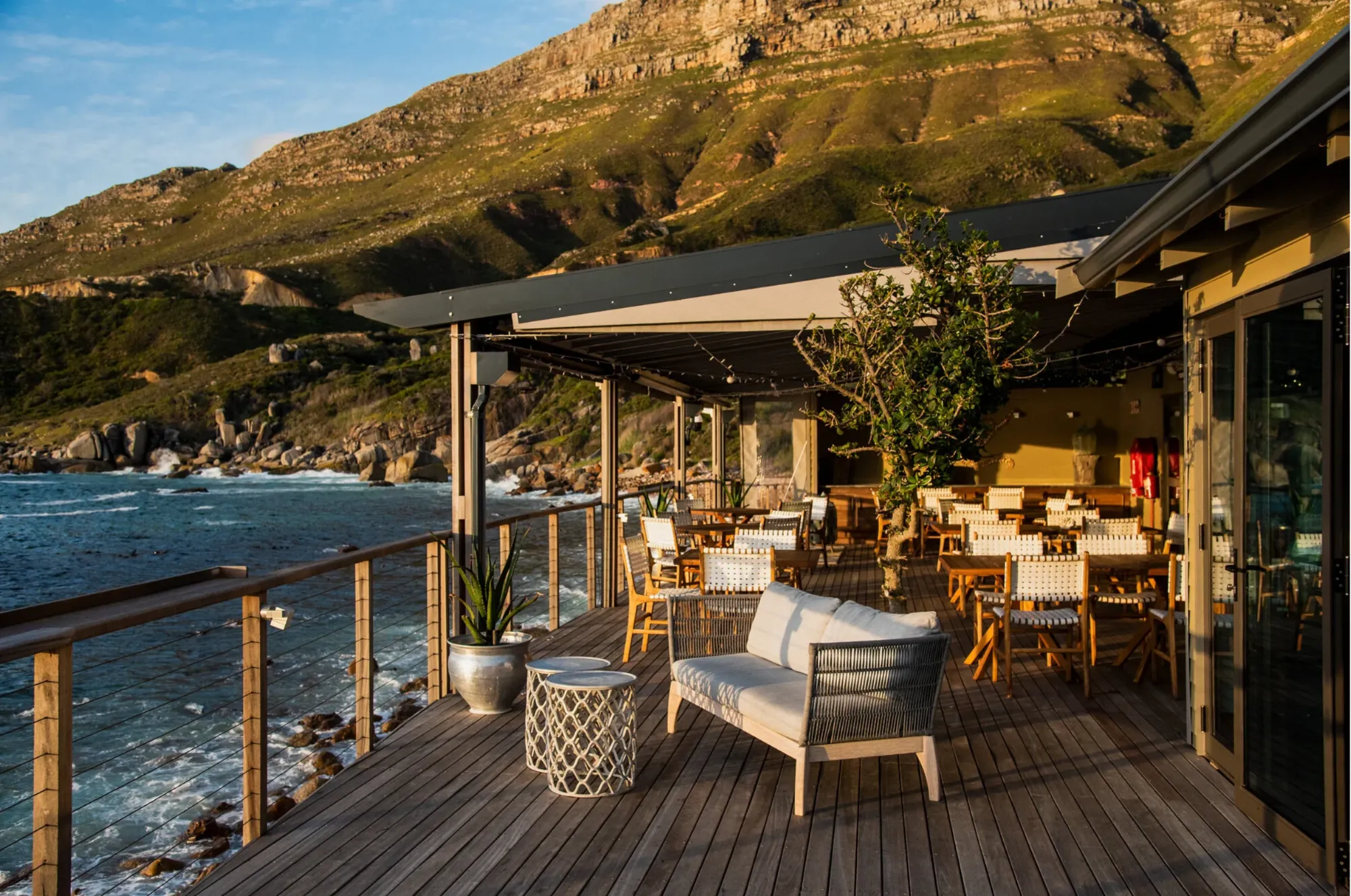
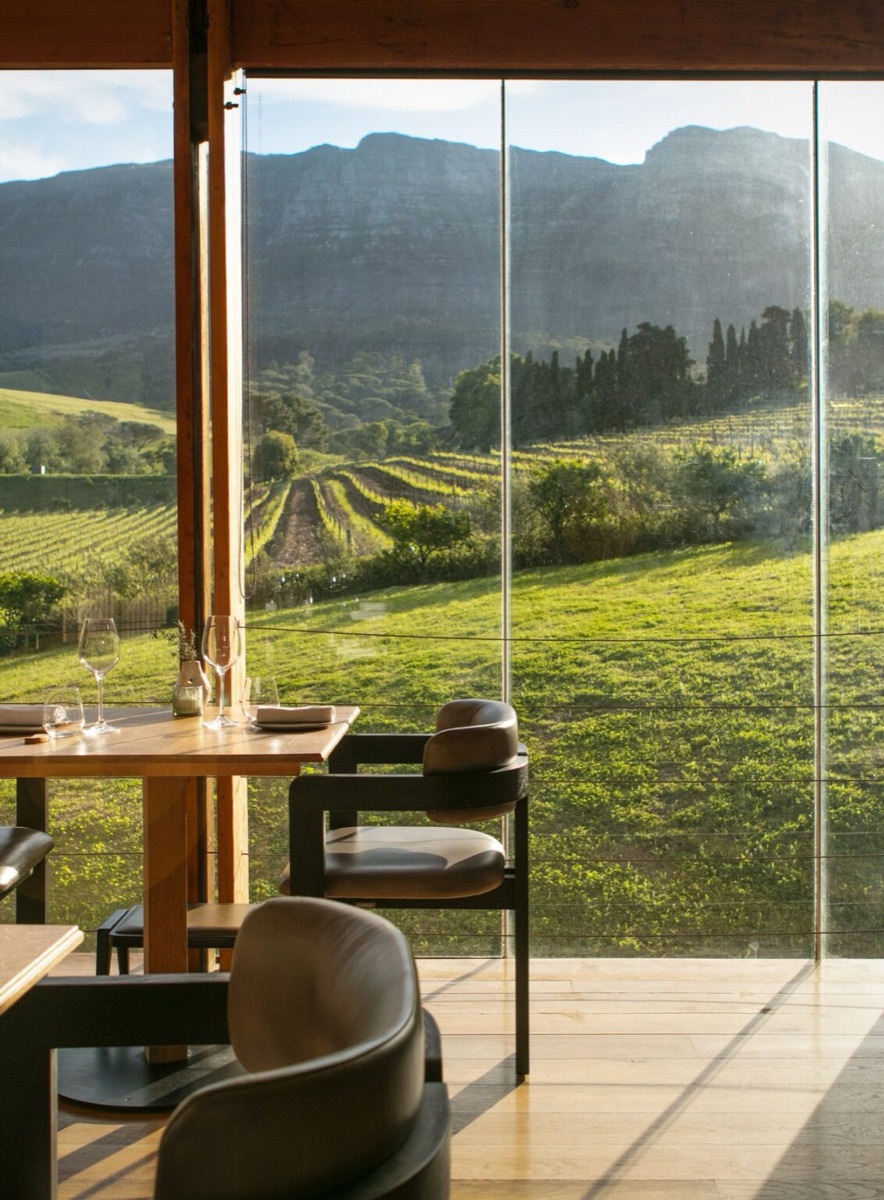
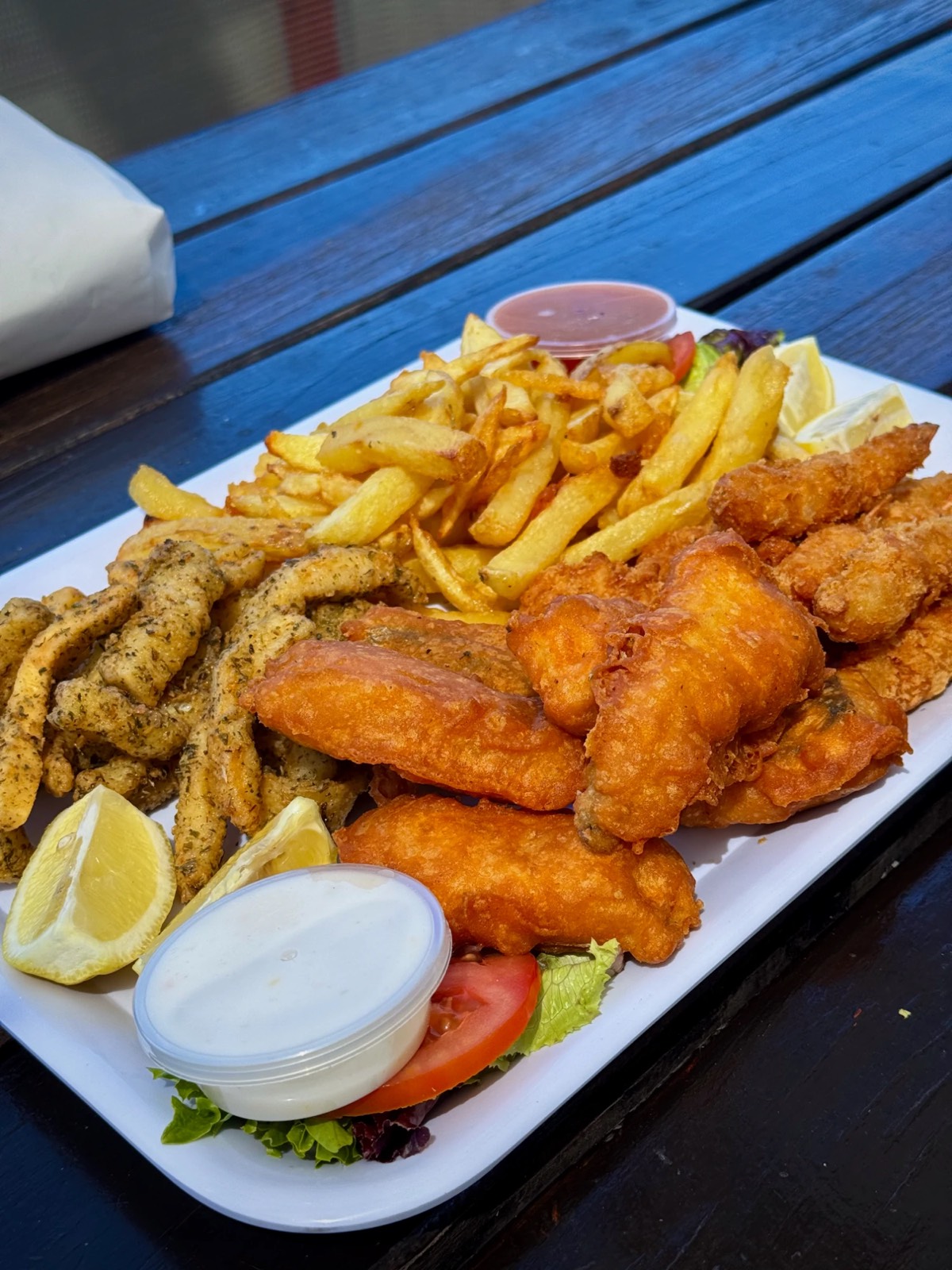

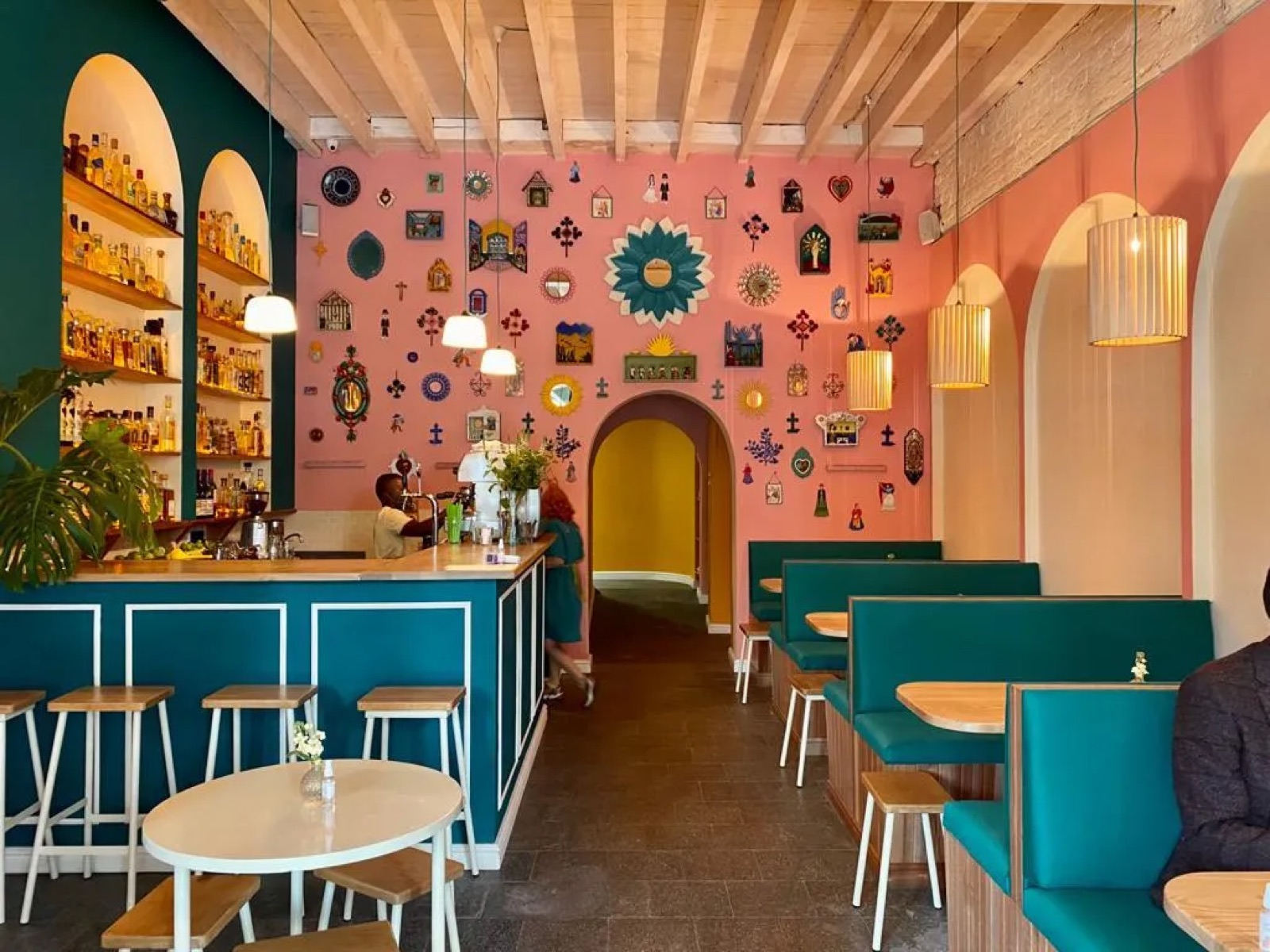
Photos: Chefs Warehouse, Mzoli Meat & Grill, Beyond, The Noms team, Crumbs & Cream
There’s a lot we’d like you to try. Cape Malay cooking in Bo-Kaap. Seafood on the harbour. A wine-farm lunch that takes up most of the afternoon. We’ve put our suggestions into sections so you can find a place for the occasion, from your first morning coffee to the dinner you book before you land.
Where to eat in Cape Town at a glance
| What you’re planning | Where we’d start |
|---|---|
| Your first Cape Malay lunch | Faeeza’s for bobotie or curry and roti, or Biesmiellah for lamb stews, all in Bo-Kaap. |
| A South African lunch near the Waterfront | Seven Colours Eatery at Battery Park for oxtail, samp and beans. |
| A lunch to share with friends | Cosy Corner in Wynberg for a steak Gatsby. |
| A day on the False Bay coast | Kalky’s for harbour fish and chips, JJ’s for a mutton bunny chow, or Harbour House for a booked seafood lunch. |
| One special dinner | FYN in the city centre, or La Colombe for a longer outing to Constantia. |
| A wine-estate lunch within Cape Town | Beyond at Buitenverwachting, Chefs Warehouse at Beau Constantia or Bistro Sixteen82 at Steenberg. |
| Coffee and something sweet | Truth and Swan in the East City, Rosetta on Bree Street or Honest Chocolate on Wale Street. |
South African dishes to try in Cape Town
Cape Malay cooking grew from the food traditions of enslaved and exiled people brought to the Cape, including from Asia and East Africa. In Bo-Kaap, you’ll find that history in fragrant curries, sweet-and-sour stews and coconut-covered koesisters. Across the city, you can also eat an Eastern Cape Sunday lunch, a Durban curry served in bread and a Gatsby born on the Cape Flats.
- 01
Bobotie, South Africa’s famous spiced mince bake
- Faeeza’s Home Kitchen· Bo-Kaap
Often described as South Africa’s national dish, bobotie is a good place to start. Ground meat, usually beef, is cooked with spices and often dried fruit, then baked beneath a soft egg-and-milk custard. You get savoury meat, a little sweetness and a gentle curry fragrance in the same mouthful. Its long association with Cape Malay cooking makes Bo-Kaap a particularly fitting place to try it.
At Faeeza’s Home Kitchen, order the beef bobotie with yellow rice, vegetables and beetroot pickle. There’s a vegetarian version too. You can eat in the tea garden on Chiappini Lane without joining a class.
- 02
Cape Malay curry, roti and samoosas
- Faeeza’s Home Kitchen· Bo-Kaap
A Cape Malay curry brings together meat, fish or beans with fragrant spices. Recipes and heat levels vary, so ask the kitchen if you prefer a milder plate. Order a roti alongside it, a flaky flatbread you tear into pieces to scoop up the curry. Samoosas are crisp, triangular pastries with savoury fillings, a good starter to share while you wait.
Faeeza’s offers chicken, butterbean, prawn and kingklip curries with roti or rice, plus samoosas by the portion. For a meal you can learn to make at home, book the class and try rolling the bread and folding the pastries yourself.
- 03
Denningvleis and tomato bredie, two Cape Malay stews
- Biesmiellah· Bo-Kaap
Denningvleis is lamb cooked slowly in a sauce with a sweet-and-sour character. At Biesmiellah, onion and tamarind give the lamb chops their tangy gravy. Tomato bredie is another dish to look for on Cape menus. “Bredie” means stew, and this version combines lamb, tomatoes and spices until the meat is tender.
We’d order one of each at Biesmiellah on the corner of Wale and Pentz streets in Bo-Kaap. Share them with rice so you can taste the difference between the tamarind sauce and the tomato gravy. Both feature among the dishes Cape Town Tourism recommends here.
- 04
A seven-colours plate, the South African Sunday lunch
- Seven Colours Eatery· Battery Park, V&A Waterfront
“Seven colours” describes a generous plate with a range of colourful foods, often served for Sunday lunch or a family celebration. The vegetables, starch and meat all matter. At Seven Colours Eatery, chef Nolu Dube-Cele draws on her Eastern Cape roots to bring that meal to Battery Park at the V&A Waterfront.
Our order is the oxtail potjie with umngqusho. Oxtail is slowly braised until tender, while umngqusho combines samp, pieces of dried maize, with beans. Spoon some gravy over the samp and try the greens and beetroot between bites. If you’re after something smaller, look for the igwinya with mince and chakalaka. This fried bread, also widely known as vetkoek, is filled with savoury mince and a spicy vegetable relish.
- 05
Shisanyama, grilled meat and a social afternoon
- Rands Cape Town· Khayelitsha
- Mzoli Meat & Grill· Gardens
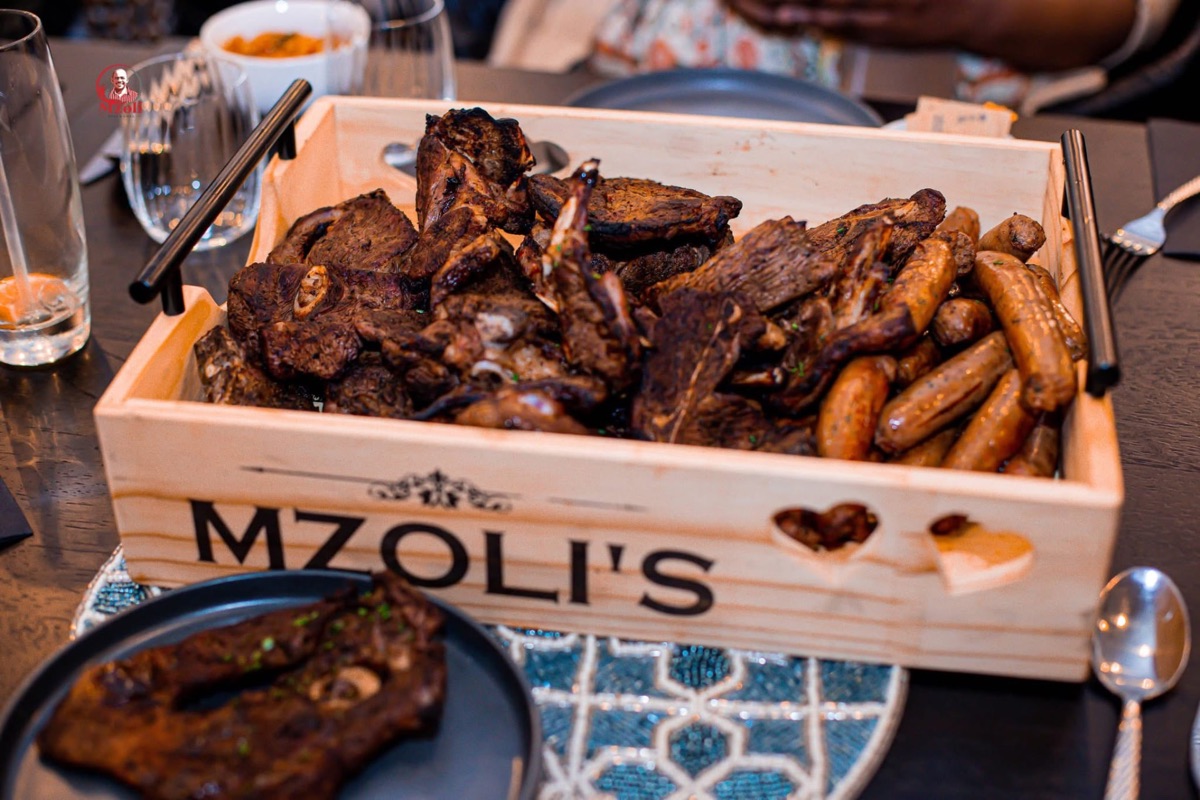
Photo: Mzoli Meat & GrillA braai is South Africa’s word for a barbecue and the gathering around it. Shisanyama is closely associated with township butcheries where you buy meat, have it cooked over the fire and eat with other people. The name is commonly translated from isiZulu as “burn meat”. Expect chops, steak or sausage, often with pap, a maize-meal porridge, and chakalaka, a spiced vegetable relish.
We have two good options.
- Rands Cape Town in Khayelitsha suits a group wanting braaied meat, music and a lively outing. Weekends can build into an evening of DJs and dancing. Check the programme and arrange your journey home when planning the visit. A local guide can help you make the day part of a wider visit to Khayelitsha.
- Mzoli Meat & Grill at 15 Barnet Street in Gardens is convenient for visitors staying around the City Bowl. Choose meat at the butchery counter or share the platter of lamb chops, steak and boerewors with pap and chakalaka.
- 06
Bunny chow, a Durban curry you can eat in Cape Town
- JJ’s Indian Cuisine· Kalk Bay
- The Burner· Century City
Bunny chow is a hollowed-out portion of a white loaf filled with curry. It comes from Durban’s Indian community and is now found across South Africa. The bread absorbs the gravy as you eat, and the piece cut from the middle is useful for scooping up the curry. Mutton, chicken and bean versions are common.
We’d order the mutton bunny at JJ’s Indian Cuisine on Harbour Road in Kalk Bay. A comparative tasting praised the tender meat and gravy-soaked bread. The Burner in Century City is another strong choice for a generous portion. Order according to your appetite and ask about the heat before choosing.
- 07
A Gatsby, Cape Town’s sandwich for sharing
- Cosy Corner· Wynberg
- Super Fisheries· Athlone
- Golden Dish· Gatesville
Photo: Cosy Corner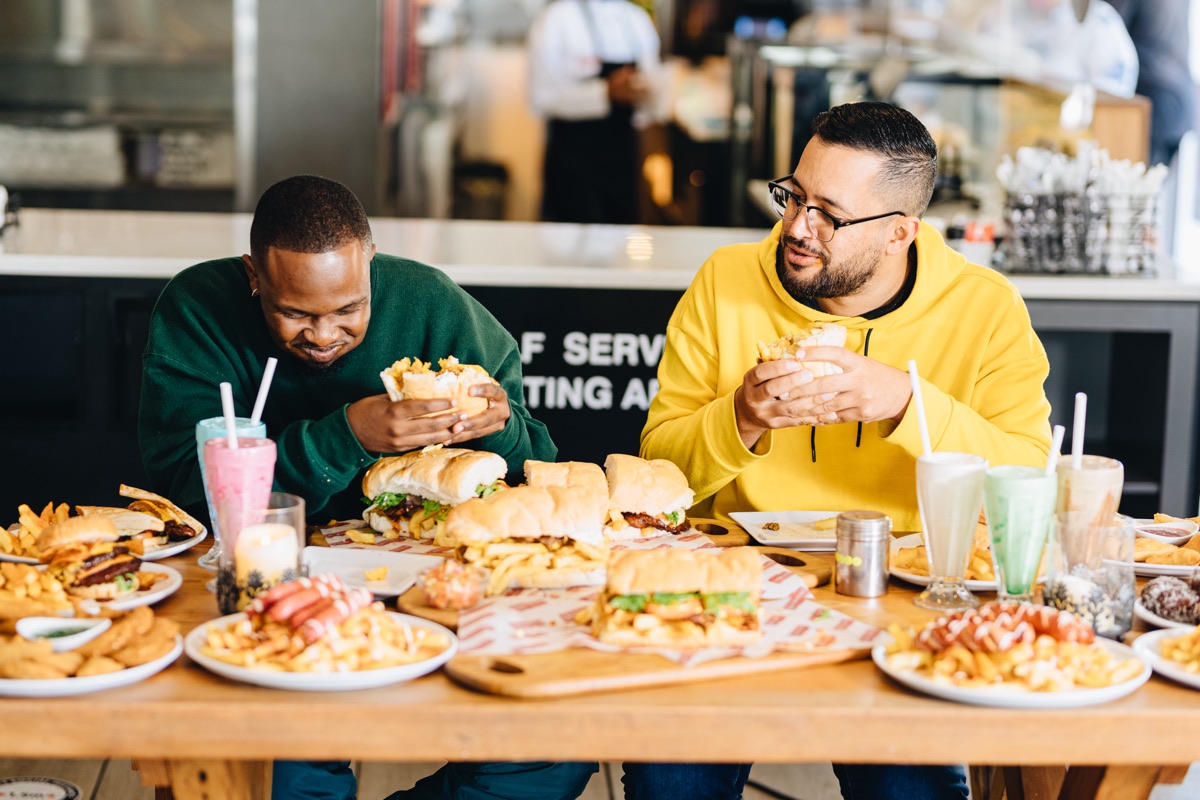
A Gatsby is a large bread roll filled with chips, meat or seafood, seasoning and sauces. Here, “chips” means fries, and they go inside the sandwich. The Gatsby’s beginnings are associated with Super Fisheries in Athlone and an order of polony, chips and atchar. Polony is a bologna-style sausage, and atchar is a tangy pickle. Today, steak, chicken, fish and calamari all have their supporters.
For a first steak Gatsby, we’d choose Cosy Corner in Wynberg and order the chargrilled rump. A full one is a meal to share, so ask for it cut into portions. Super Fisheries is the heritage stop for polony and atchar, while Golden Dish in Gatesville is another contender for masala steak. Cosy received the most votes in one local reader poll, although our wider research found both praise and criticism for every leading shop.
- 08
A salomie, curry wrapped in flaky roti
- Mariam’s Kitchen· Foreshore
If you like the sound of Cape Malay curry but want a takeaway lunch, try a salomie. The curry is folded into a soft, flaky roti, making a substantial wrap that is best eaten with plenty of napkins.
For a steak salomie in the city centre, go to Mariam’s Kitchen in the Foreshore. Use the Foreshore branch when looking it up, as there are several Mariam’s locations. It’s a useful city-centre option between sightseeing stops.
- 09
Boerewors, the sausage you’ll find at a braai
- BURI· East City
Photo: BURI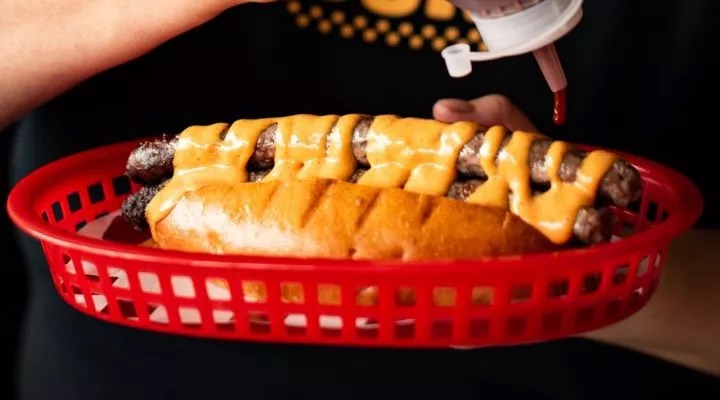
Boerewors means “farmer’s sausage”. It is usually made with coarsely ground meat and spices such as coriander, and is often cooked in a coil over a braai. In a bread roll, it becomes the much-loved boerie roll, a quick lunch you can hold in one hand.
At BURI on Harrington Street, order the Classic. The charcoal-grilled sausage comes with butter and tomato-and-onion smoor, a cooked relish. This is an easy first boerie roll to fit into a day around the East City.
- 10
Snoek or hake and chips by the harbour
- Kalky’s· Kalk Bay harbour
Cape Town’s fishing harbours are a good place to get to know the local catch. Hake is mild, flaky white fish and a familiar starting point for fish and chips. Snoek has firmer flesh and a stronger flavour, with bones that call for a slower meal. It has a long place in Cape cooking, from braais to dishes made with flaked fish.
At Kalky’s on Kalk Bay harbour, order hake and chips or ask which local fish is available that day. If there are two of you, try a piece of snoek alongside the hake. Bring cash and find a picnic table on the quayside.
- 11
Biltong and droëwors for a South African snack
- Joubert & Monty· V&A Waterfront
- Frankie Fenner Meat Merchants· Cape Town
Biltong is seasoned, air-dried meat, commonly beef, sliced to eat as a snack. Droëwors is a dried sausage. Ask to try a small amount of each if they’re new to you, and tell the counter whether you prefer your biltong wet or dry, lean or fatty.
Joubert & Monty has a shop on the ground floor of the V&A Waterfront mall and sells both biltong and droëwors, making it a convenient stop while exploring the city.
For something a little more artisanal, Frankie Fenner Meat Merchants is a local favourite. This specialist butcher is known for its commitment to ethically sourced meat, with its biltong and droëwors particularly well regarded by locals.
- 12
Koesisters, milk tart and malva pudding
- Bo-Kaap Deli· Church Street
- Faeeza’s Home Kitchen· Bo-Kaap
- Karibu· V&A Waterfront
Make room for these three sweets during the trip. A Cape Malay koesister is a soft, spiced doughnut dipped in syrup and covered in coconut. Get one with coffee at Bo-Kaap Deli on Church Street. You’ll also see koeksisters, with an extra “k”, the golden plaited pastries soaked in syrup.
Milk tart, or melktert, has a creamy milk-based custard filling and a dusting of cinnamon. Try a slice of Faeeza’s homebaked milk tart after lunch in Bo-Kaap.
Malva pudding is a warm, soft sponge made with apricot jam and soaked in a rich sauce. It’s the dessert we’d point someone towards after a braai or a South African Sunday lunch. Karibu at the V&A Waterfront serves its Cape malva with vanilla sauce and ice cream.
- 13
Dinner with live music at GOLD or Marco’s
- GOLD· Green Point
- Marco’s African Place· Bo-Kaap
Photo: GOLD Restaurant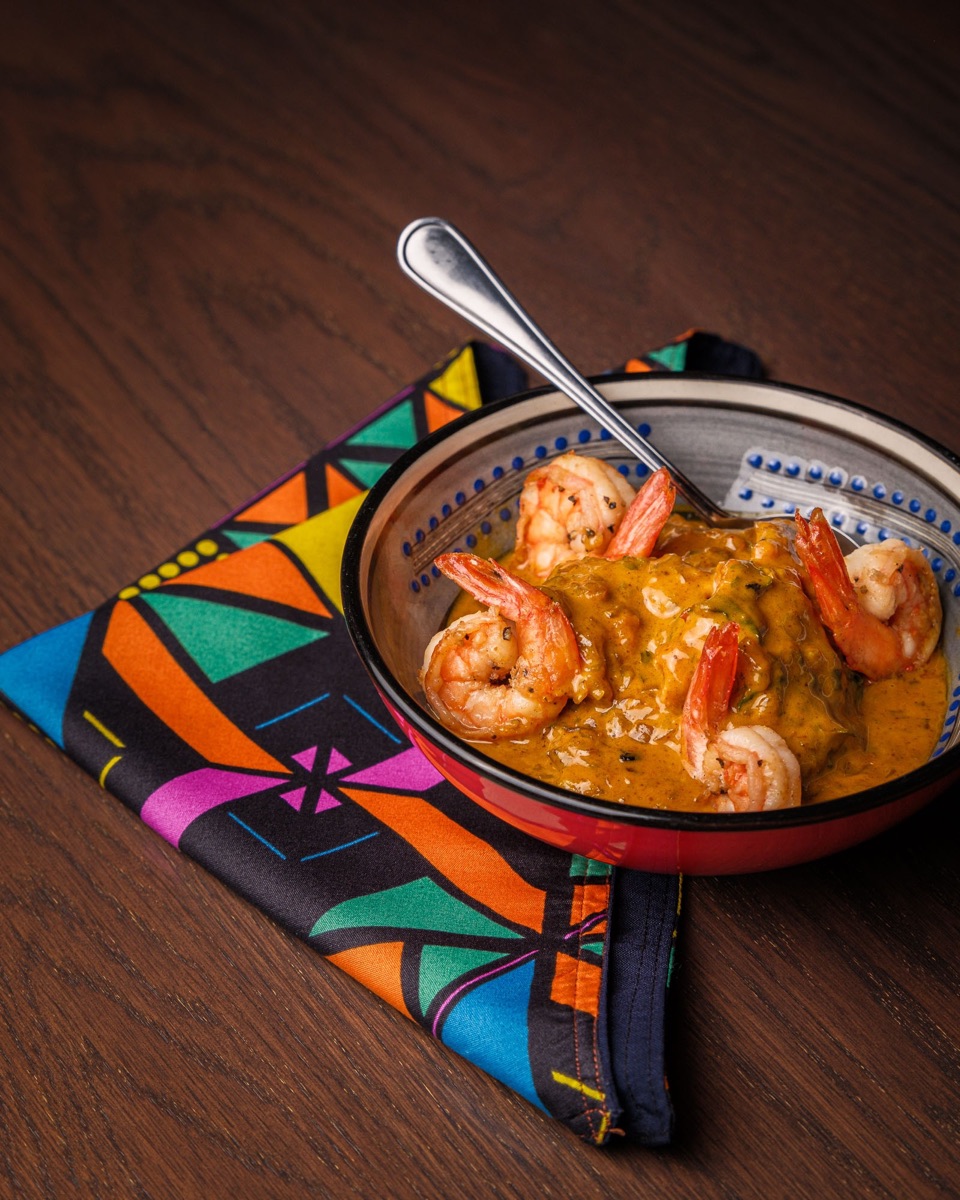
If your group wants an evening built around food and performance, we’d book GOLD in Green Point. Its 14-dish menu takes you across Africa, with live performances and an optional drumming session. For an à la carte dinner with a band, Marco’s African Place in Bo-Kaap offers a different evening. Try the game platter if you want to compare springbok, ostrich and kudu. For a Cape Malay or Xhosa meal specifically, start with the kitchens above.
Locals’ favourite restaurants in Cape Town
Eating like a local leaves plenty of room for dumplings, Greek food and a favourite Italian. These are the places we’d point you towards for the everyday pleasures of eating in Cape Town, whether you’re meeting friends for breakfast or settling in for supper.
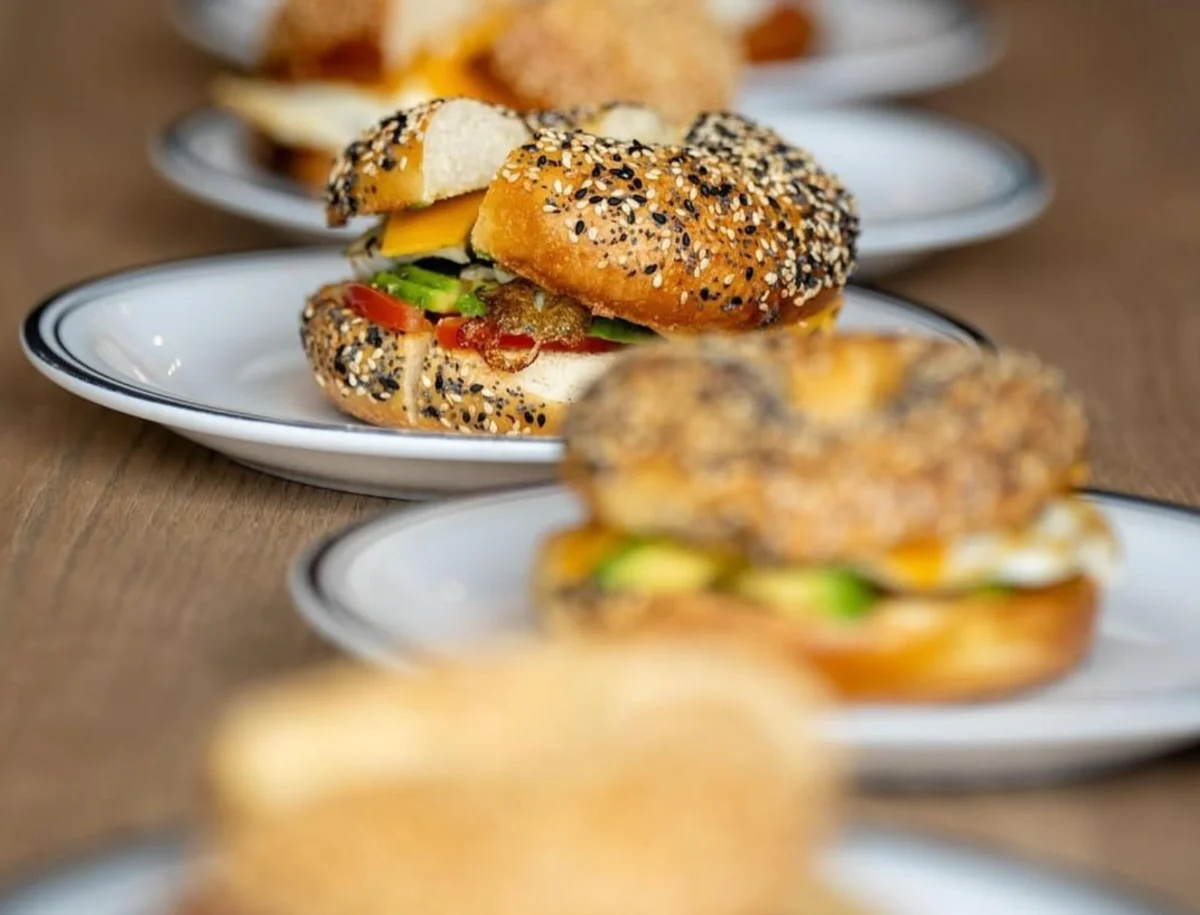
Why go: The bagels explain the Sunday queues. They’re fermented for three days, then hand-rolled, boiled and baked for that chewy bite. Brothers Adam and Joel Klein opened the deli in 2014, drawing on their family’s Jewish recipes. It has become a breakfast ritual for Sea Point regulars.
What to orderA bagel for the classic deli experience, or the pastrami latke Benedict with crisp potato pancakes and poached eggs before noon. For lunch, hot pastrami on rye.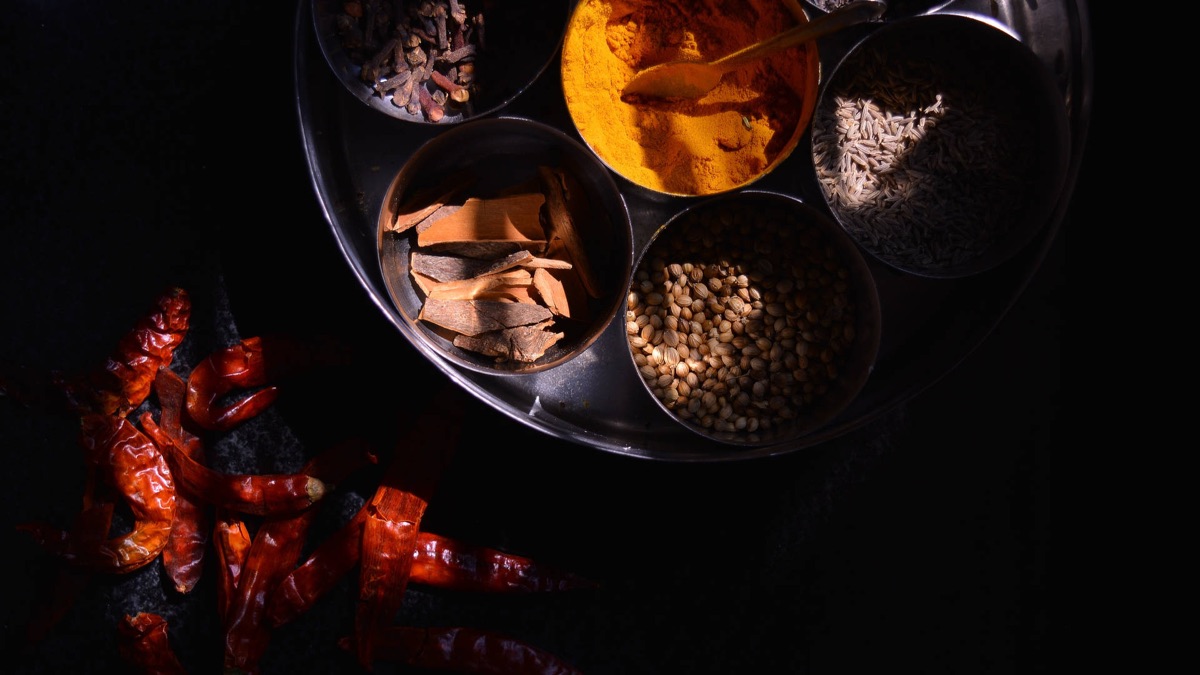
Why go: A former fruit-market building now houses a busy collection of food counters where office workers, students and families come for an inexpensive, filling meal. The variety is the draw for a group, with plenty of vegetarian choices and everyone able to order from a different kitchen.
What to orderA masala dosa from the Madras counter, a crisp pancake wrapped around spiced potato.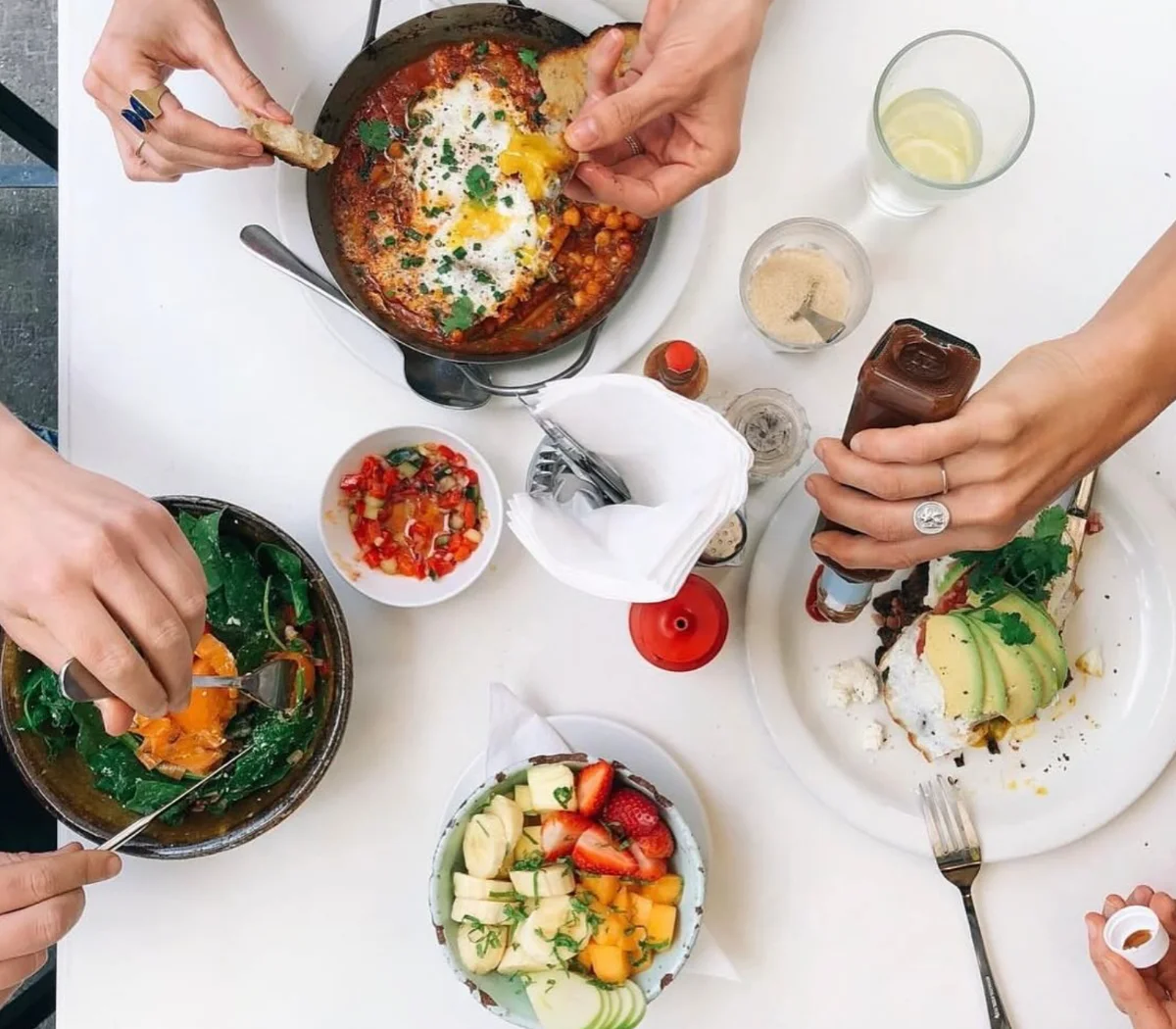
Why go: The cheeseburger has substance behind its reputation, with grass-fed beef, locally made Havarti and buns baked in-house. Add a seat facing Bree Street and a menu that works from breakfast through drinks, and you have a meeting place people can use throughout the day.
What to orderThe beef cheeseburger, chips and a beer. Take a front-window or pavement seat for people-watching.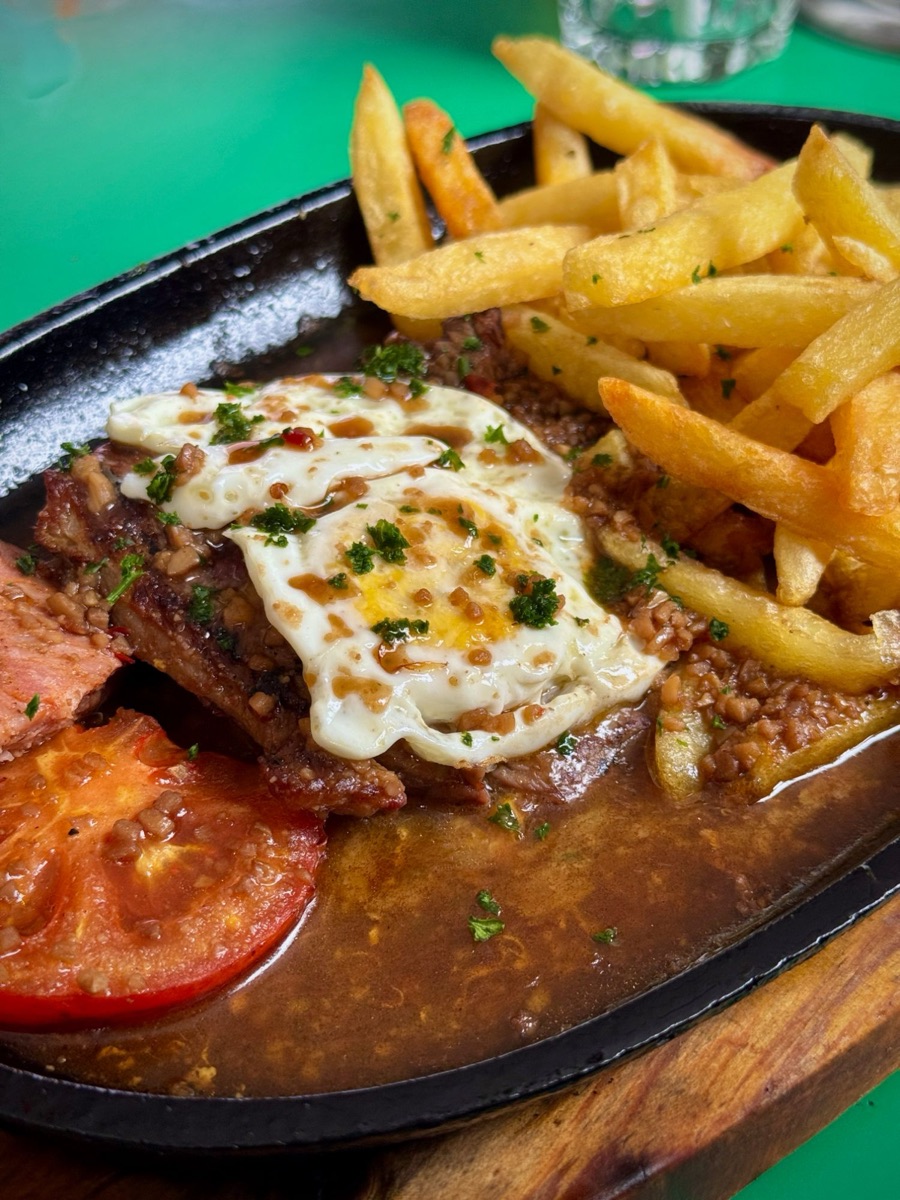
Why go: Dias has been feeding Cape Town since 1988. Generous Portuguese portions, garlic and peri-peri flavours, and an increasingly boisterous room make it a place for a proper night out with friends. The appeal is as much the shared evening as the plate in front of you.
What to orderEspetada, meat grilled on a skewer, or a chicken prego roll. Come at lunch for a quieter meal.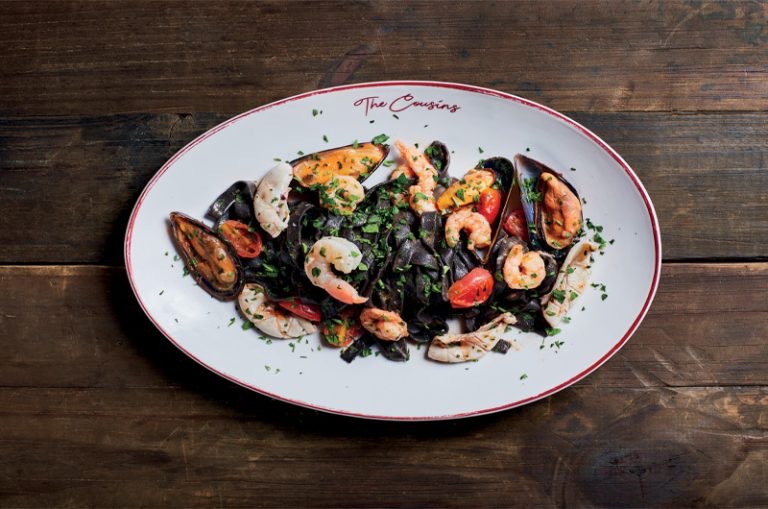
Why go: The family story is real. The cousins built their kitchen around their grandmother Nonna Tina’s recipes from Romagna, and fresh pasta remains the reason to book. Finishing the signature pasta in a huge cheese wheel adds a bit of theatre to a warm, intimate dinner.
What to orderThe house tagliolini, fine pasta ribbons with mushrooms, thyme and cream, tossed in a wheel of Grana Padano.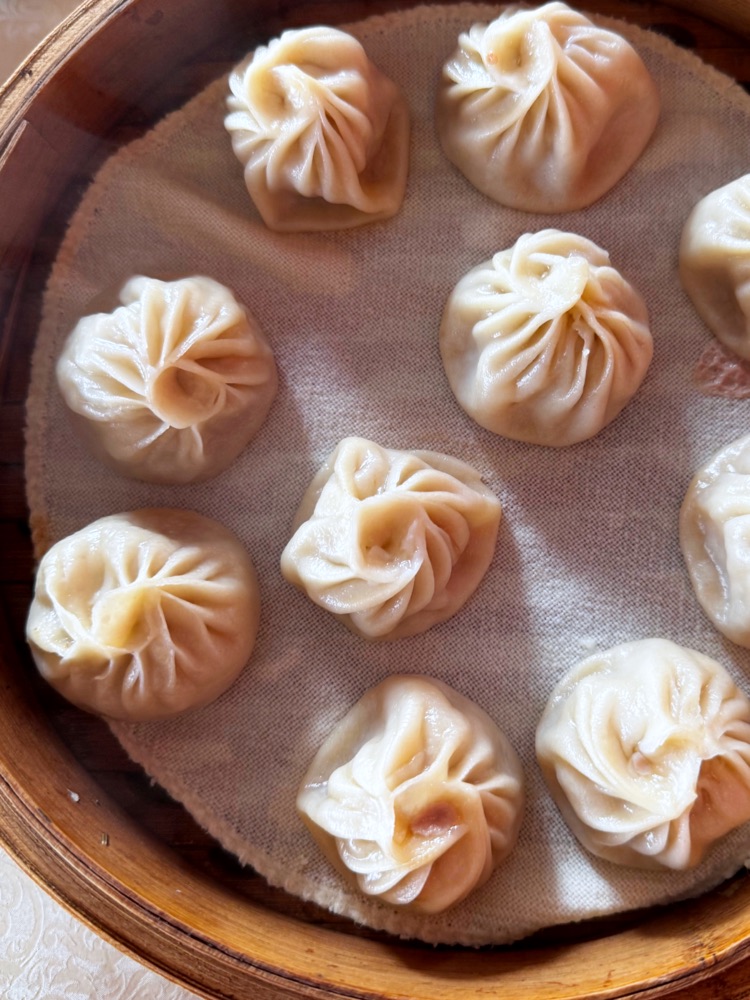
Why go: Handmade dumplings built this small restaurant’s loyal following under Zeng Meie, known as Ma. When she sold it in 2023, people who had worked alongside her took over and kept much of the cooking intact. It’s a place to fill the table, share dishes and return for favourites.
What to orderStart with xiao long bao, pork dumplings filled with hot broth, then add noodles and dishes to share. Let the dumplings cool before biting.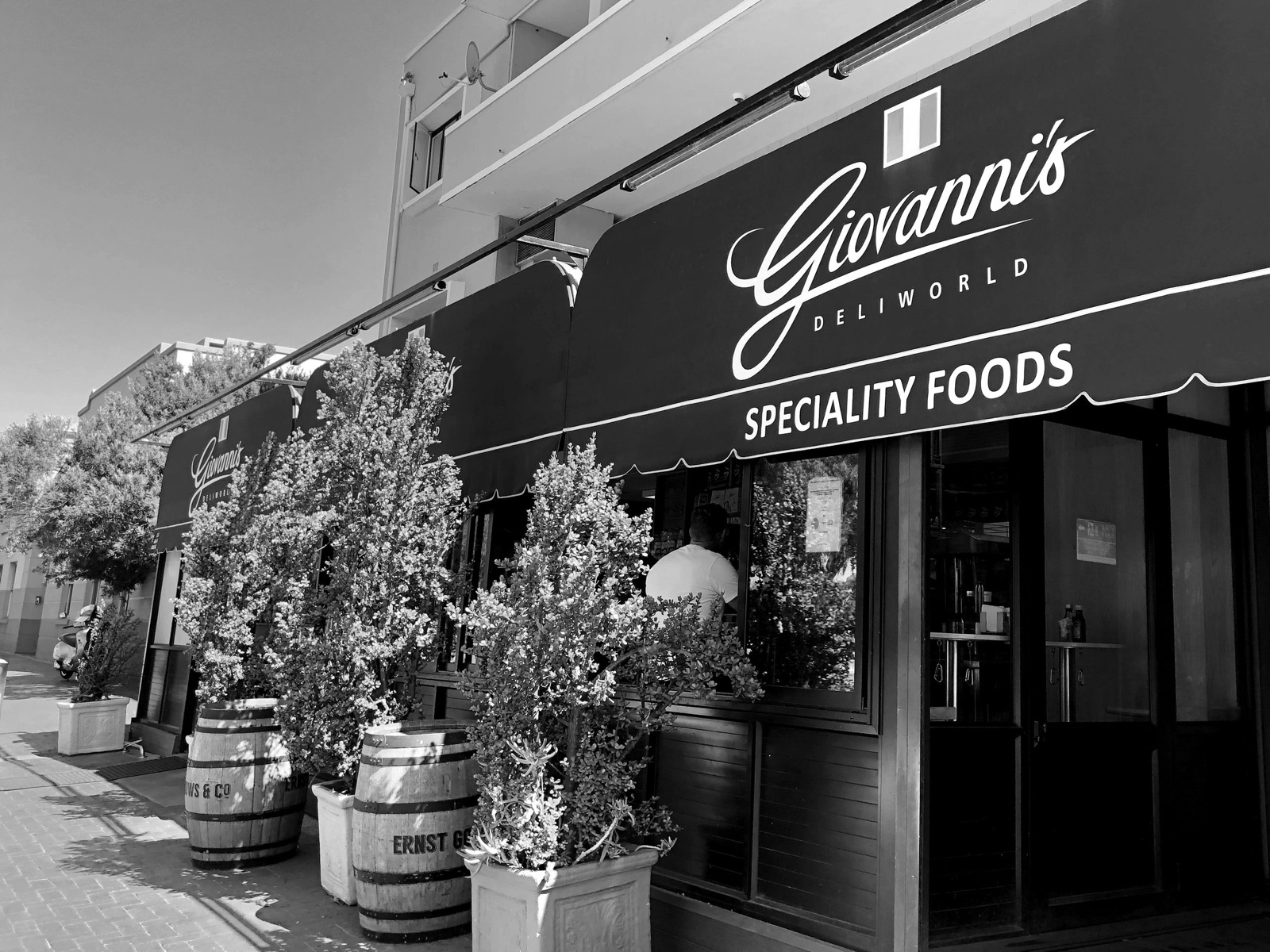
Why go: Giovanni’s has been part of the neighbourhood since 1989, with an espresso counter where regulars stop for coffee and conversation. The packed deli gives them another reason to return, whether for a sandwich, ingredients for supper or something already cooked to take home.
What to orderAn espresso and a sandwich from the deli counter, or bread, cheese and charcuterie for a picnic in Green Point Park.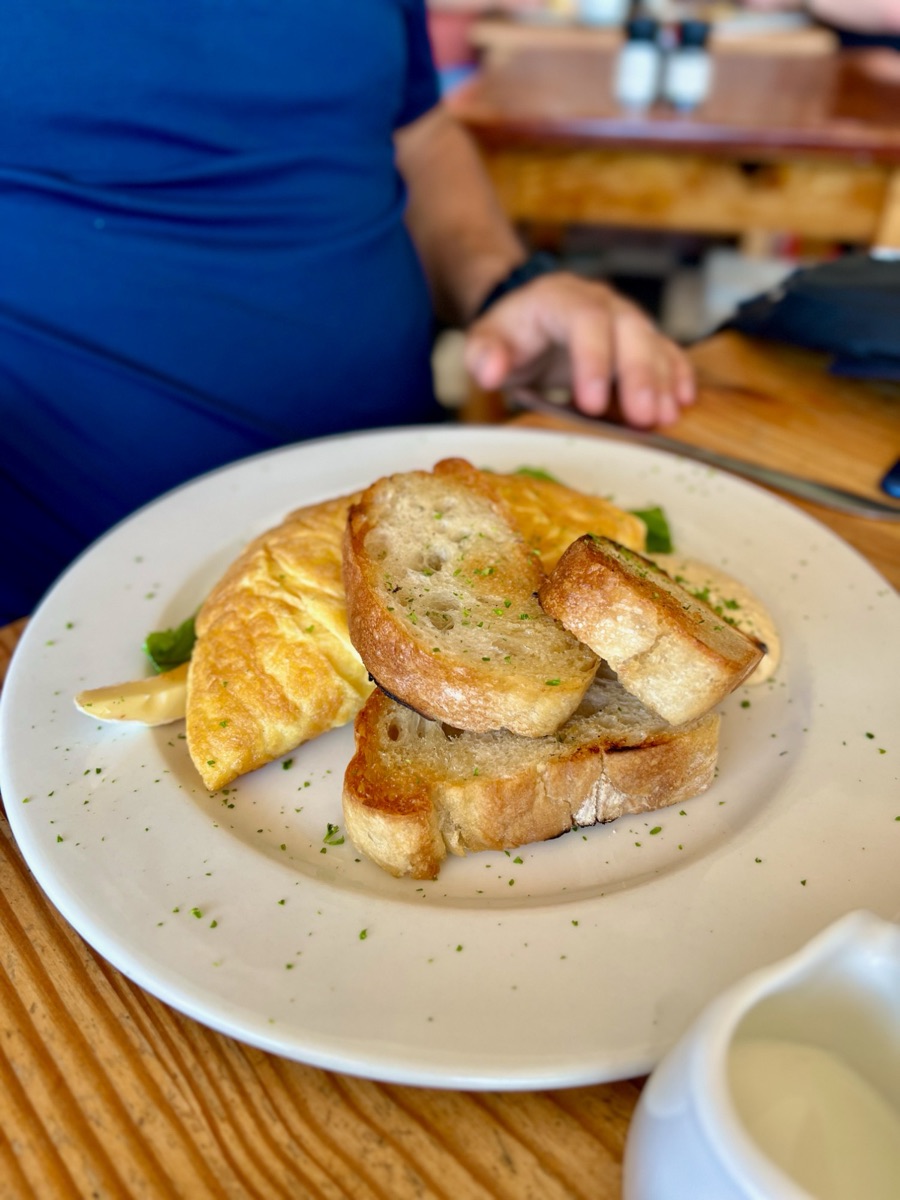
Why go: The changing chalkboard menu gives regulars something new to eat, while seafood favourites and the bakery give them familiar reasons to return. It’s an informal, busy café woven into Kalk Bay life. The bakery around the corner is worth a stop even when the café is full.
What to orderSeafood linguine or mussels from the day’s board, then bread or pastries to take away. The café doesn’t take bookings, so allow for a wait at busy times.Why go: Look for the blue shipping containers opposite the yacht club. This family-run café pairs a simple fish-and-chips lunch with a shaded deck overlooking the working harbour and Chapman’s Peak. Returning diners praise the fried fish, the setting and the personal welcome.
What to orderA hake-and-chip roll, or hake and calamari to share on the deck.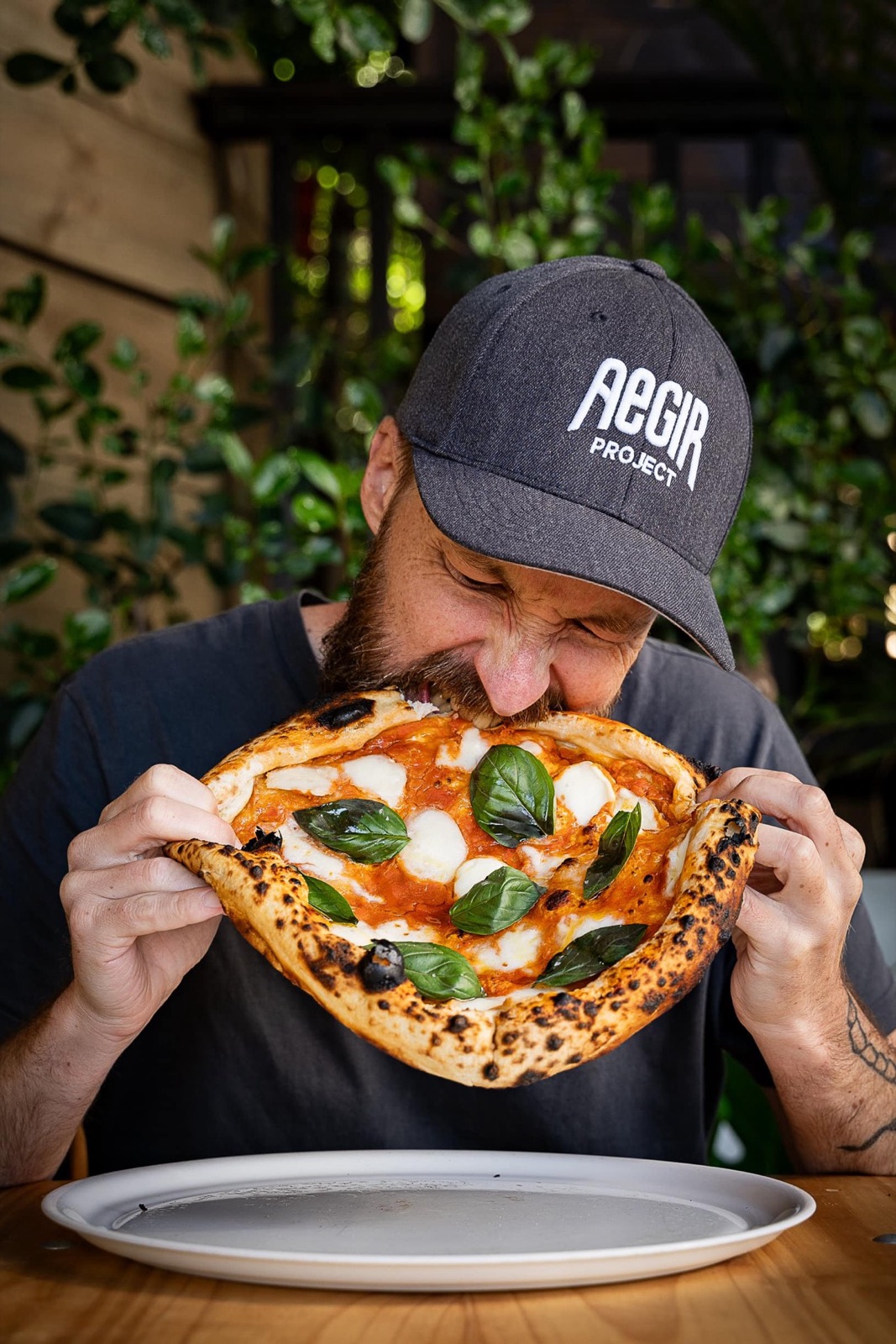
Why go: The brewery is right here, so the beer travels from tank to taproom. Sourdough pizzas, a children’s play area and a deck with mountain and beach views give the whole group a reason to stay. That combination makes it especially appealing for a relaxed family afternoon.
What to orderA house beer and a hand-stretched sourdough pizza. There are also wines and soft drinks for anyone joining the beer drinkers.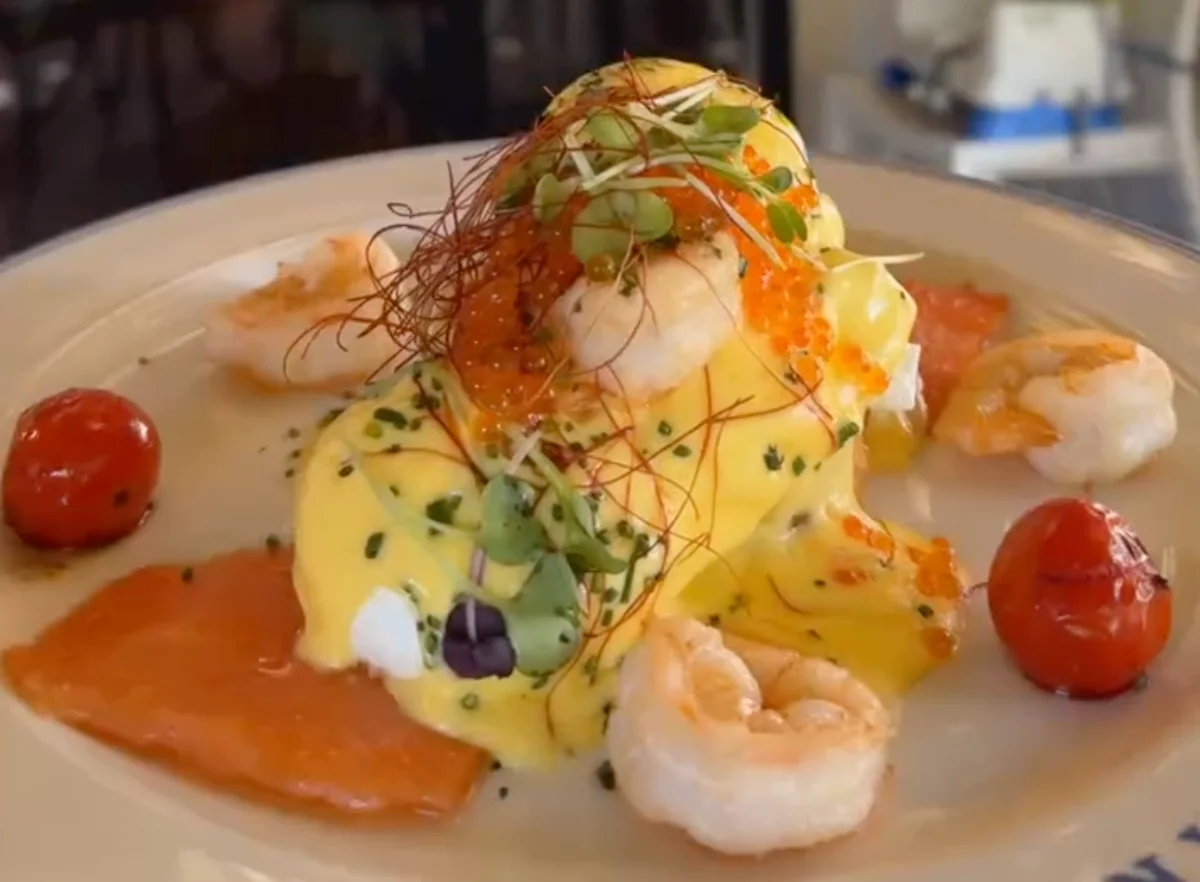
Why go: Chef Franck Dangereux helped establish La Colombe before bringing his cooking to Noordhoek. Here, that experience goes into a casual café and tapas restaurant where families and dogs are welcome. It’s the combination of an accomplished kitchen and an easy village setting that makes this worth the drive.
What to orderCalamari at lunch, or book an evening table and share tapas.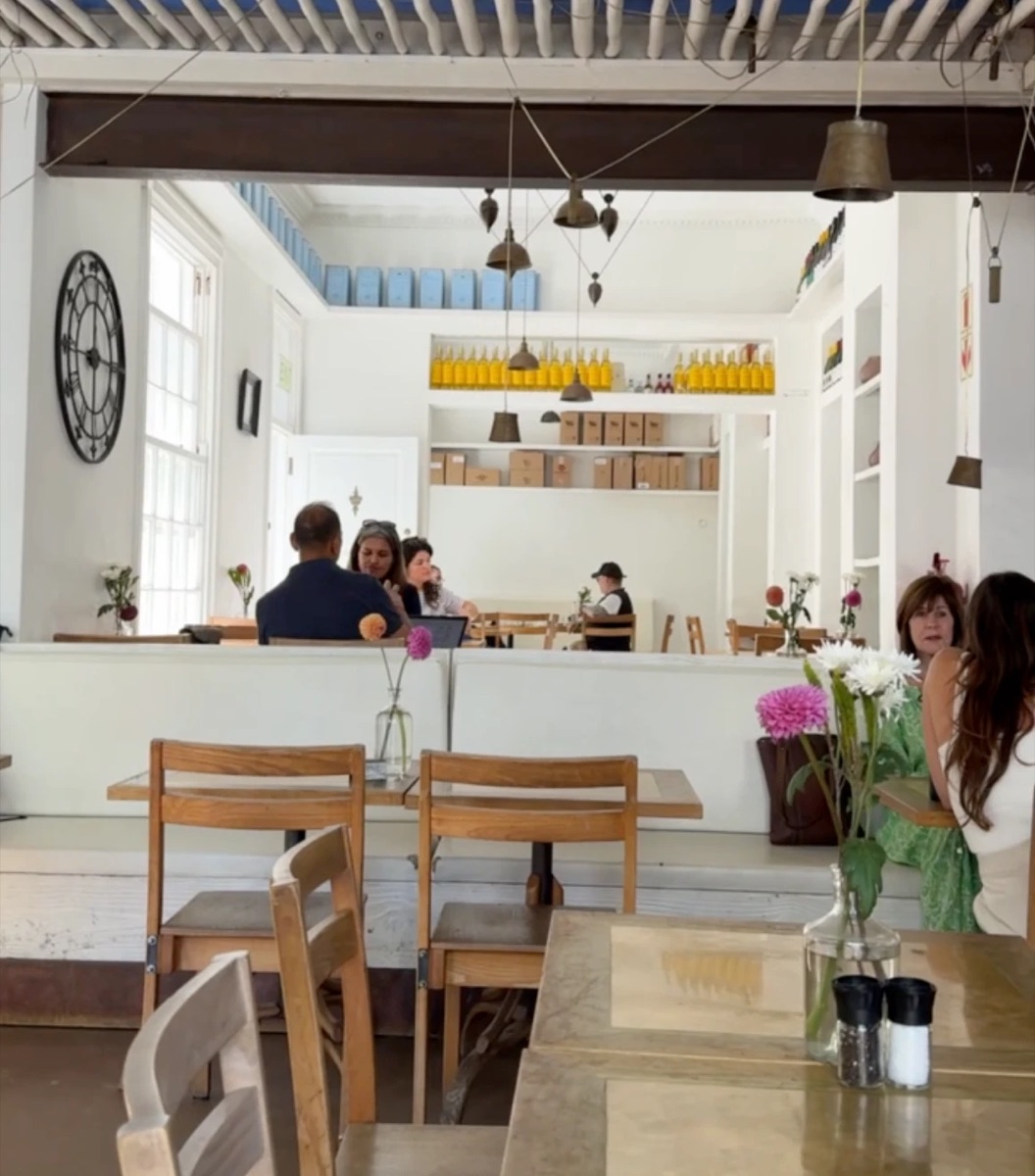
Why go: Tables beneath the trees make this little square feel like somewhere to spend the evening. Cleon and Kate Romano shaped Maria’s around Greek family recipes after taking over in 1994. Meze, slow-cooked lamb and the relaxed setting are the reasons to bring friends and order a spread.
What to orderLamb with aubergines and a selection of meze, small dishes for the table to share.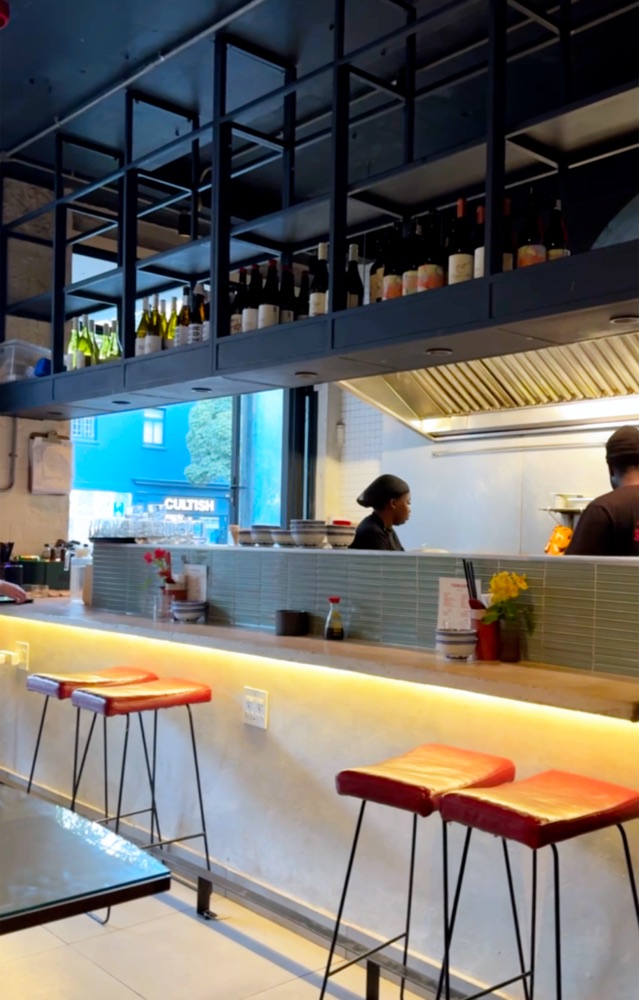
Why go: Andrew Kai draws on the South Cantonese food he grew up with, giving this tiny room a personal point of view. Counter seats look into the open kitchen, so dinner comes with a close view of the cooking. We’d choose it for a small-group supper built around sharing.
What to orderCantonese roast duck to share, or wonton noodle soup. Book ahead for the small room.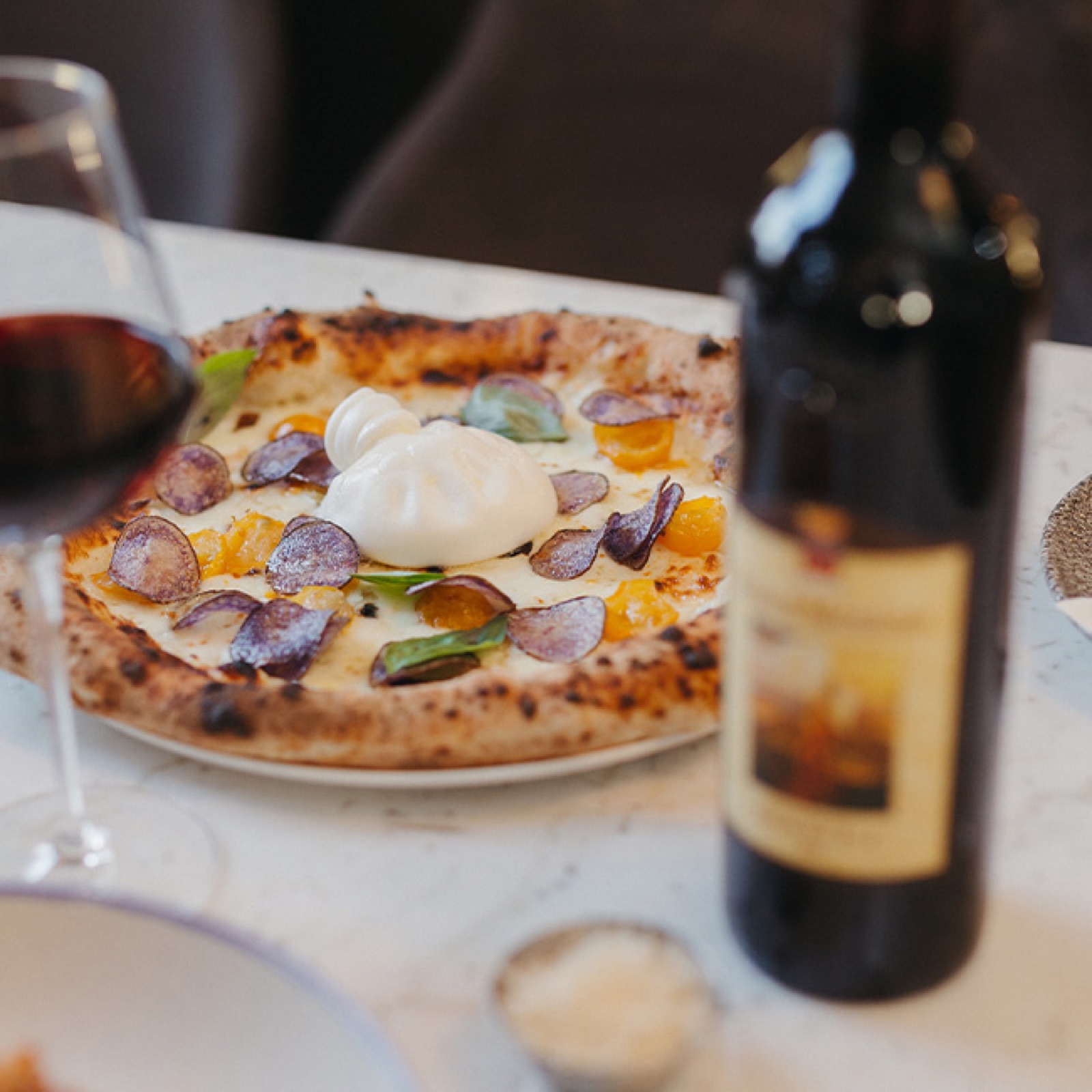
Why go: Pizza is the reason to seek out this neighbourhood Italian. The kitchen uses an imported Neapolitan Fazzone oven, and diner feedback singles out the crust alongside the pasta and welcoming atmosphere. It’s a useful choice when half the table wants pizza and the other half wants a bowl of pasta.
What to orderA Margherita to appreciate the dough, with a pasta dish to share.
Cape Town restaurants with a view
Book these for daylight hours, when you can watch the harbour or the waves between mouthfuls. A window table can be just as appealing as a seat outside, especially when the Cape wind picks up.
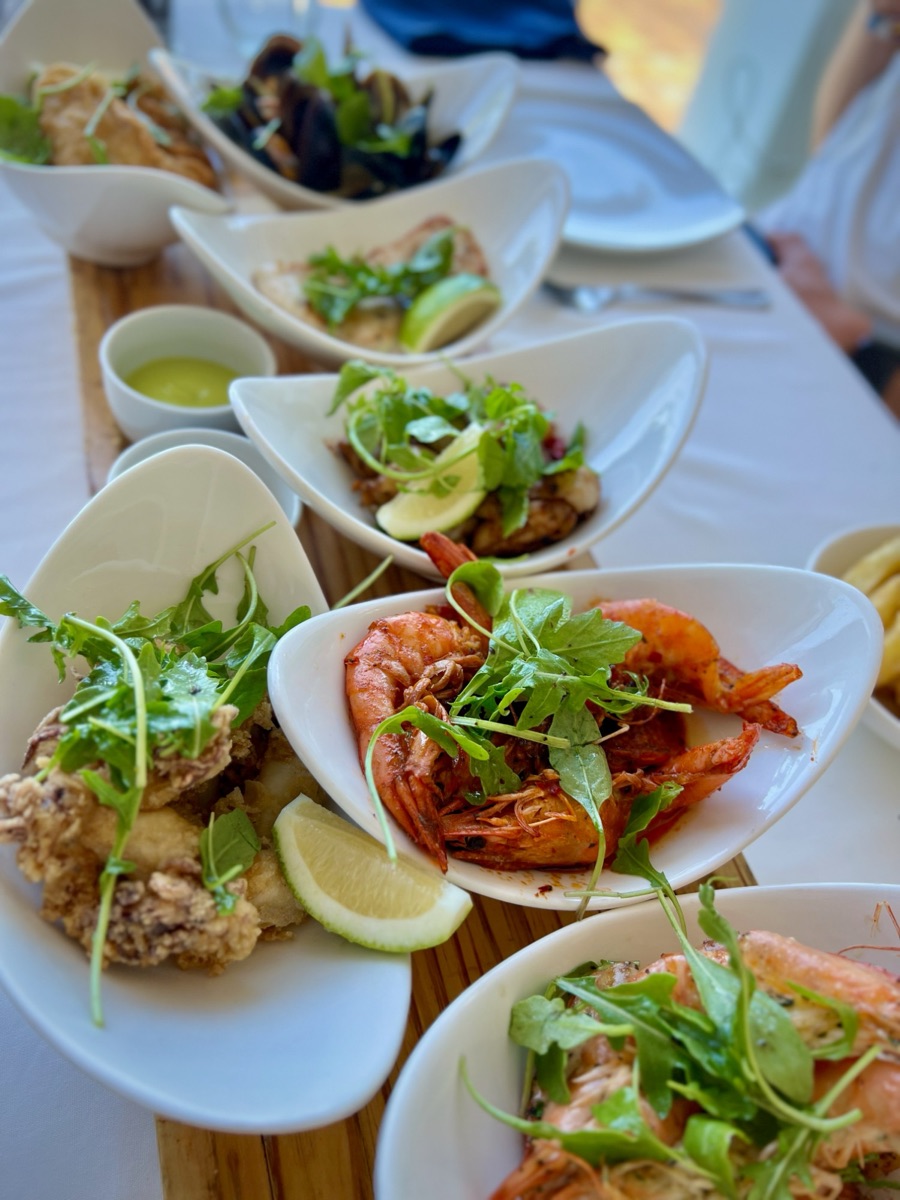
Why go: The dining room sits over the rocks, with large windows looking onto the working harbour and waves below. It makes a seafood lunch feel part of the coastline, with a sheltered seat from which to enjoy the drama of the sea.
What to order or bookGrilled linefish for a leisurely seafood lunch. Request a window table when booking.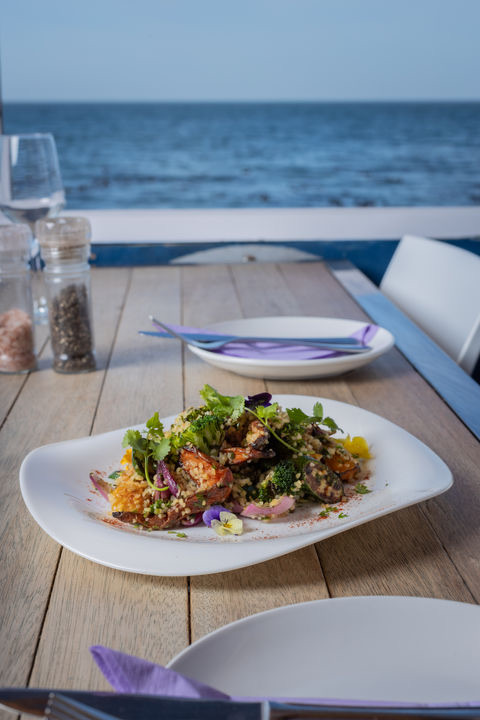
Why go: You can sit beside a tidal pool with surfers out on Kalk Bay Reef and the water almost at your feet. The different decks and bars make it as much a seaside gathering place as a restaurant, especially for a lunch that turns into drinks.
What to order or bookFish and chips with a drink. Ask for Water’s Edge beside the tidal pool when the weather suits.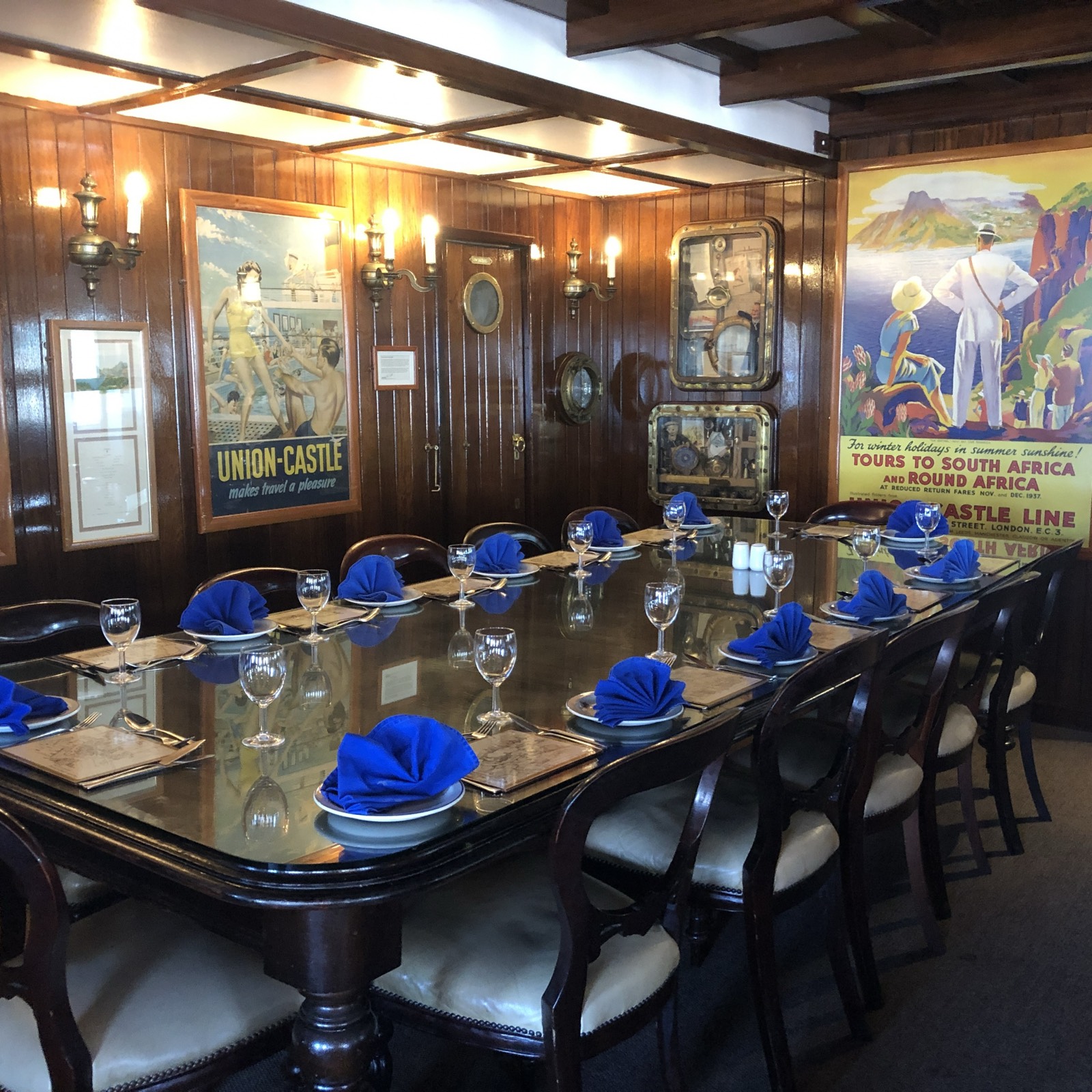
Why go: The maritime collection gives you something to explore between courses, from ships’ models to cabins themed around famous vessels. Combined with the harbour views, it’s an entertaining setting for a family seafood lunch, with a strong sense of Hout Bay’s seafaring character.
What to order or bookA fisherman’s basket or a seafood selection to share in the upstairs restaurant. Request a harbour-facing table.
Where to book a great dinner
This is the part of the holiday where dinner gets the evening to itself. We’ve included places for a date, a table of friends and the simple pleasure of ordering exactly what you’ve been craving all day.
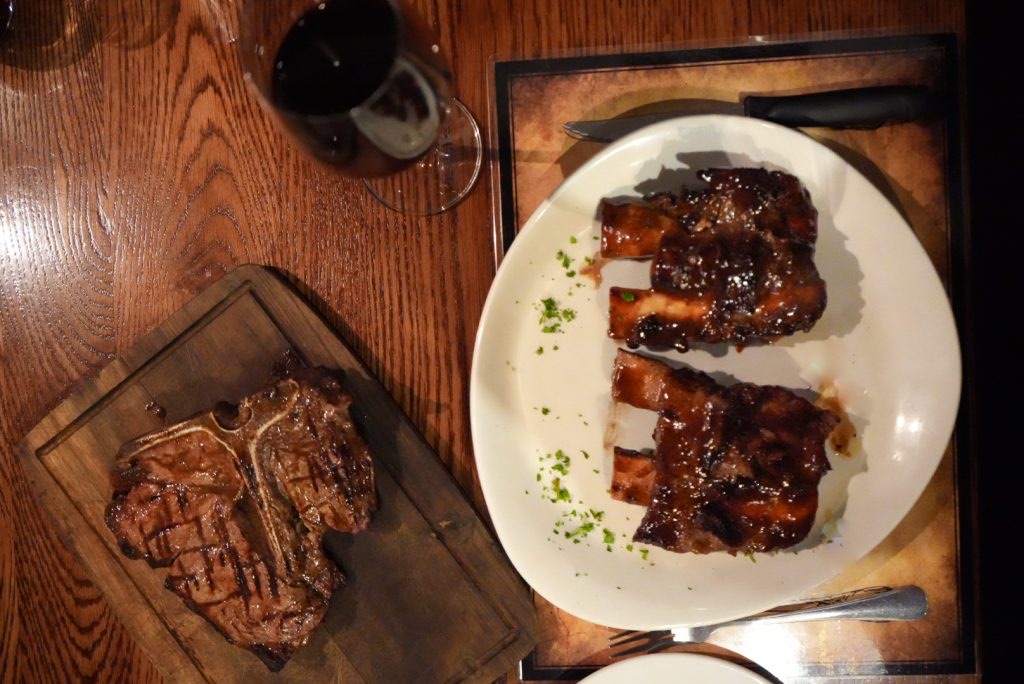
Why go: A steakhouse dating from the early 1960s, with a deliberately straightforward focus on the meat. Beef is wet-aged for up to 21 days, cut to order and basted on the grill. You can speak to the team at the grill when choosing your cut.
What to order or bookAn aged fillet or your preferred steak cut, with creamed spinach and chips or a baked potato.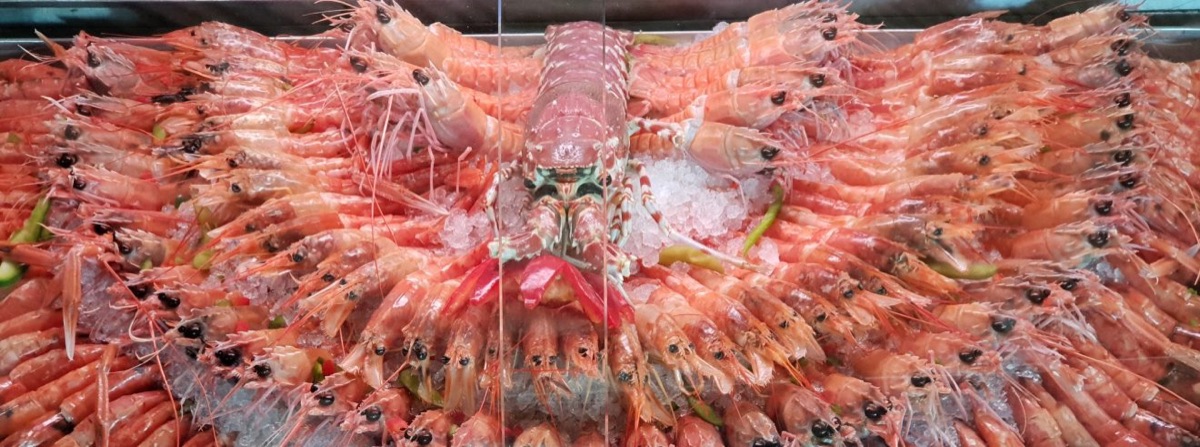
Why go: Choosing dinner is part of the experience. You browse the seafood counter with a waiter who explains the different fish and textures, then build your own selection. It’s especially useful for visitors who want an introduction to unfamiliar fish or a mixed platter tailored to their table.
What to order or bookChoose fish and shellfish from the display. Confirm the weight and total price before cooking, particularly when adding prawns.
Why go: The dough gets 72 hours to ferment before going into a very hot wood-fired oven. The kitchen specialises in canotto-style pizza, with a particularly airy, puffed rim. This is a place to choose for the crust as much as the toppings, and to eat the pizza straight from the oven.
What to order or bookA Margherita and a second pizza with more toppings to share. The branch at 231 Bree Street takes walk-ins.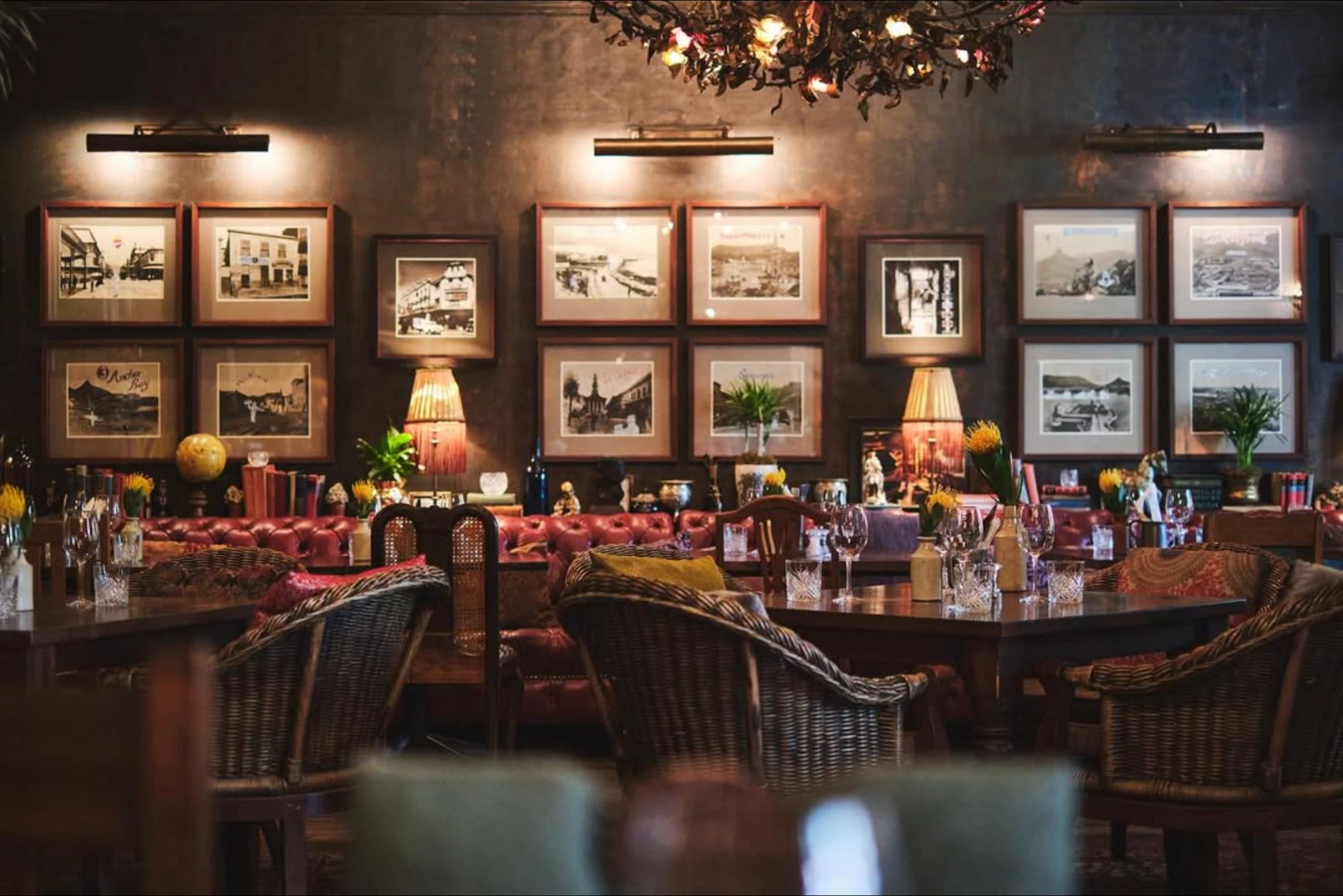
Why go: The Victorian house is full of spaces with different moods, from a chandelier-filled dining room to a library lounge and a garden strung with lights. It gives dinner a sense of occasion before the first course arrives. We’d choose it for a date or a celebratory evening.
What to order or bookStart with a cocktail, choose from the brasserie menu and leave room for the salted caramel popcorn cheesecake. Request the garden or an indoor room when booking.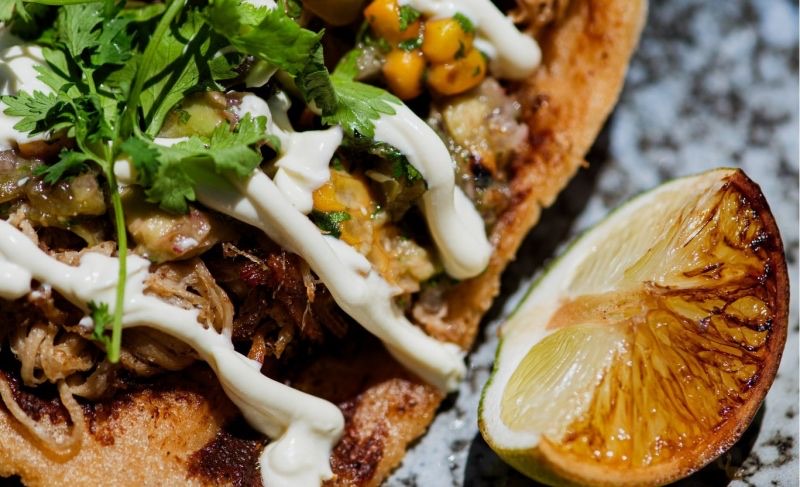
Why go: Tim and Judy Pick bring a personal touch to this heritage cottage, with Tim’s Foxcroft and La Colombe experience behind a playful small-plate menu. Fire and charcoal feature in the cooking, while the terrace looks towards the vineyards and mountains. It suits a group keen to taste several dishes.
What to order or bookOrder a spread of fire-cooked small plates for the table, with an estate wine or a wine slushie.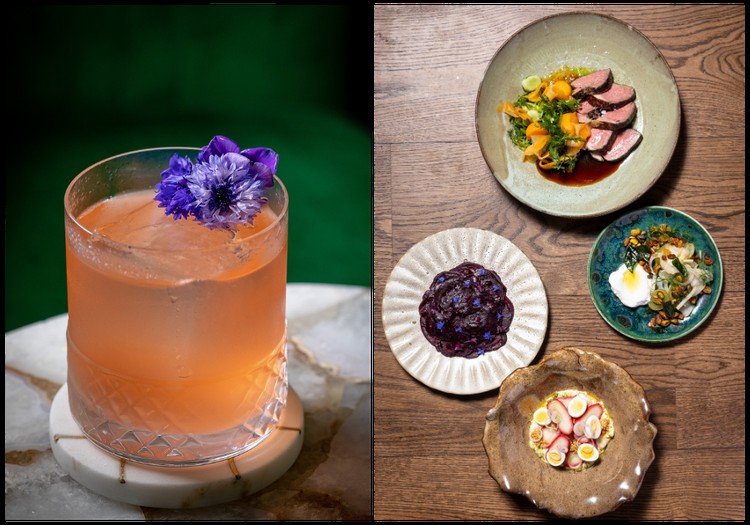
Why go: The food is designed around passing plates and building a meal together, drawing on South African, North African and Middle Eastern flavours. A restored heritage house, cocktails developed with the team behind Sin + Tax, and wines from smaller producers give you reasons to make an evening of it.
What to order or bookBegin with kubaneh, a soft pull-apart bread. Choose the Garden or Pasture sharing menu, or make your own spread of small plates.
Fine dining in Cape Town to book before you arrive
For an introduction to how Cape Town’s chefs work with local ingredients, set aside time for a tasting menu. The courses, pacing and setting are part of the experience, so we’d give one of these meals a clear afternoon or evening in your itinerary.
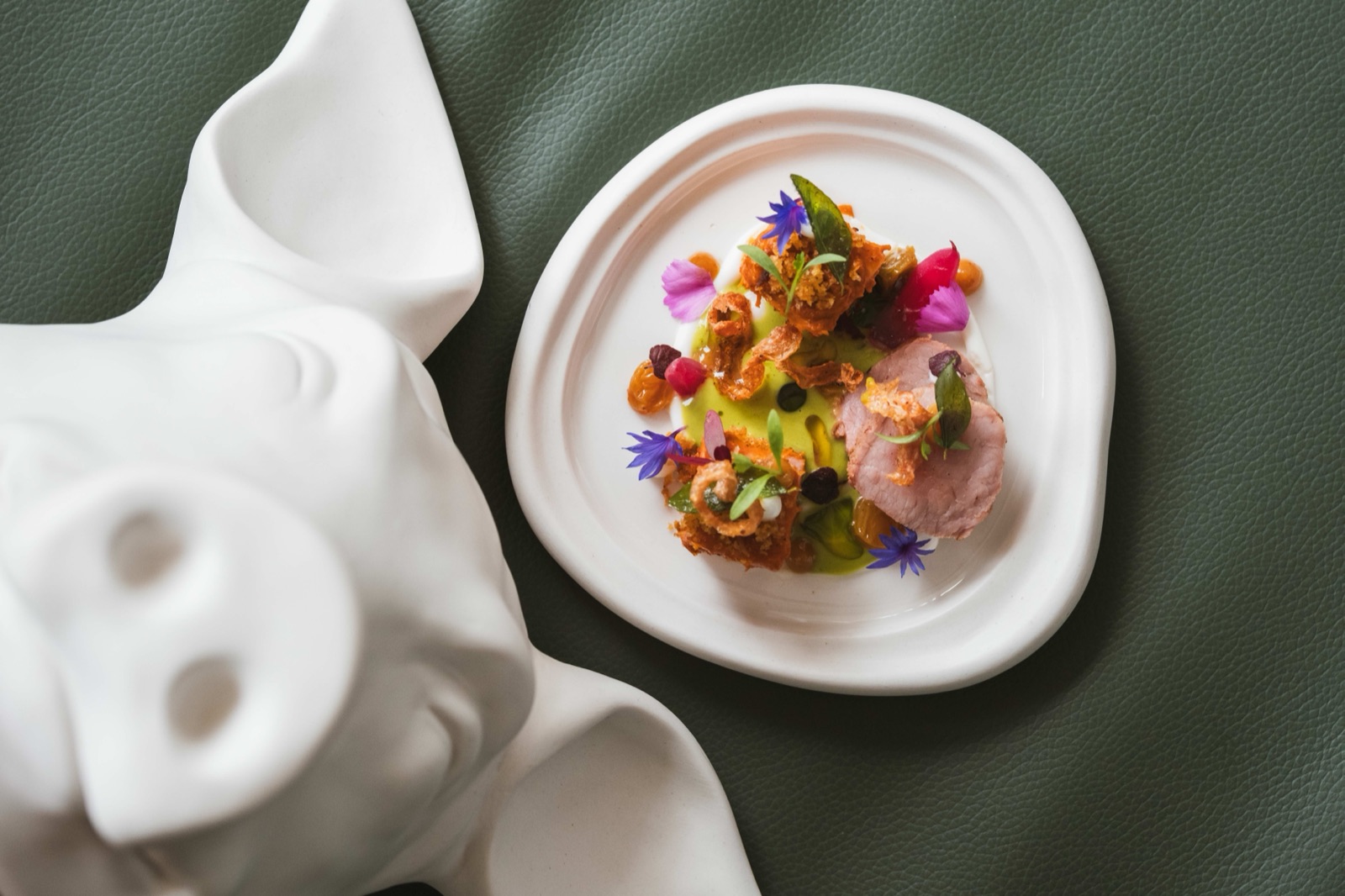
Why go: Choose this for the theatre of a tasting menu. James Gaag’s kitchen builds surprises into the presentation, most famously the tuna served in a little tin opened at the table. The Silvermist setting makes it a destination meal to give a generous part of your day.
What to order or bookBook the chef’s menu or a seasonal lunch menu. The signature Tuna La Colombe is a course to look forward to.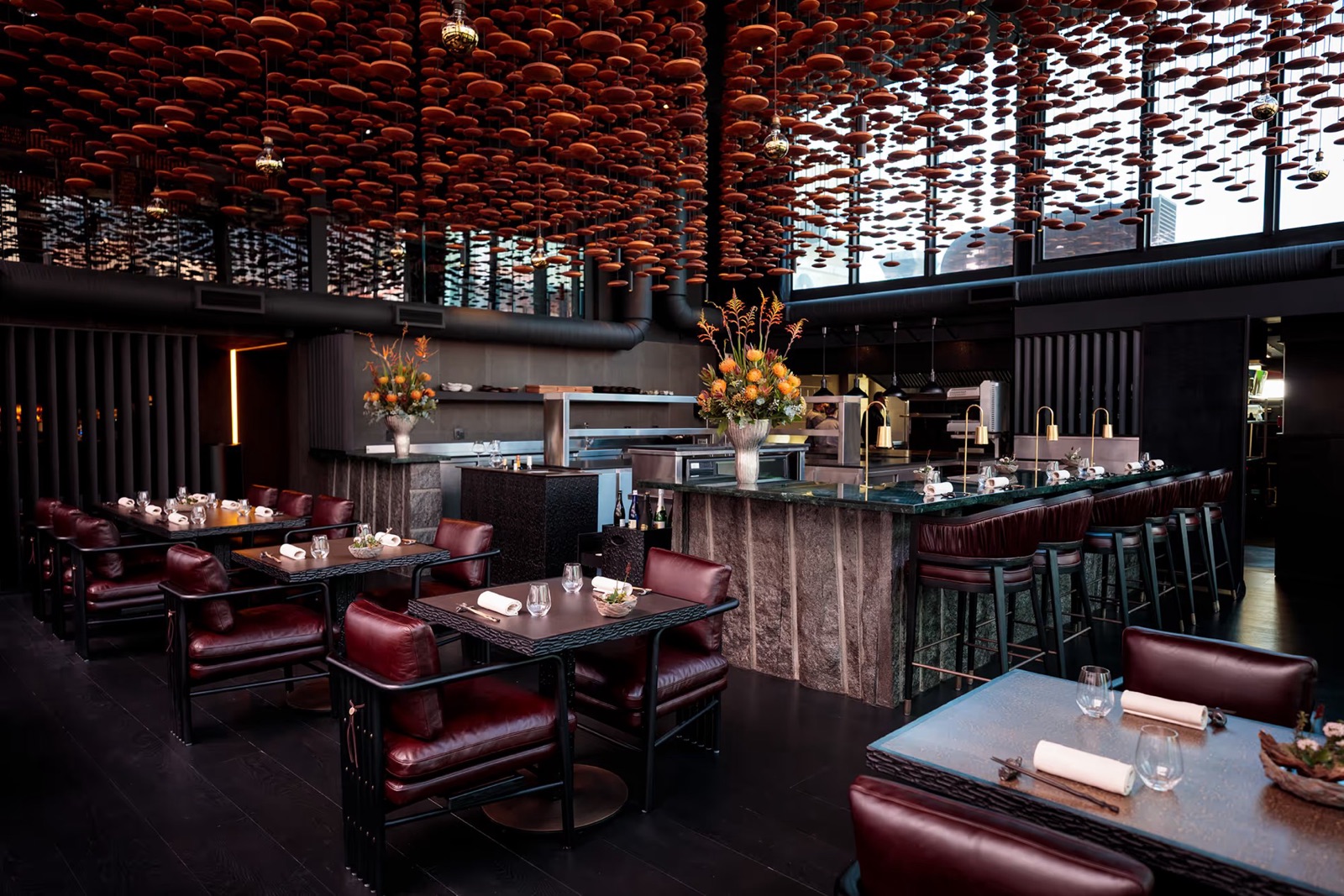
Why go: FYN explores African ingredients through a Japanese approach to seasonality and technique. The fifth-floor city setting adds a distinctly urban feel to the experience. We’d choose it for someone curious about how local ingredients can taste in a very different culinary language.
What to order or bookBook a tasting menu and request counter seats for a view of the kitchen. There is a plant-based lunch option.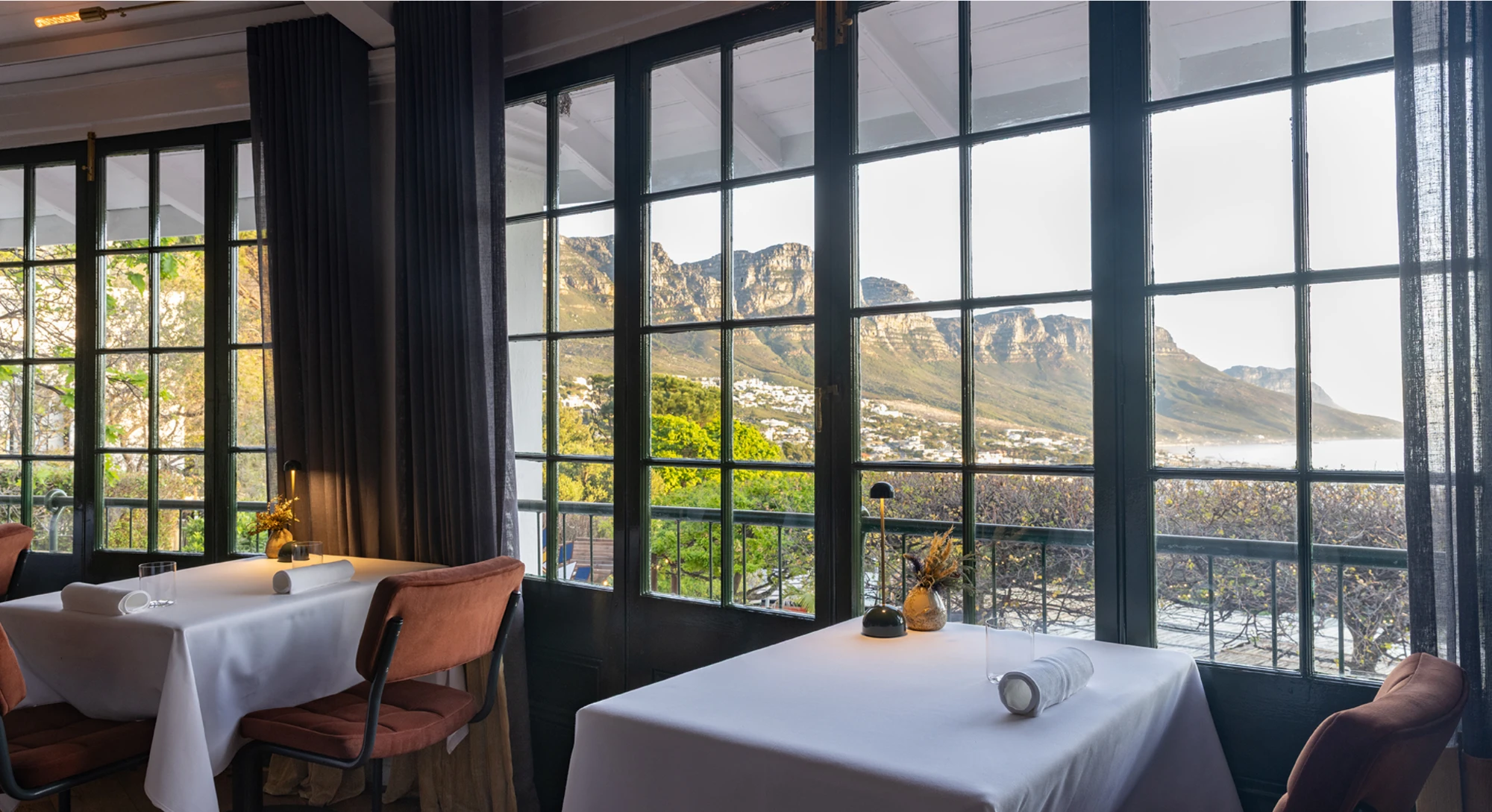
Why go: The Roundhouse dates to 1786, and its mountainside position looks out over the Atlantic. Ryan Cole and Nina du Toit’s seasonal cooking takes its cue from the surrounding land and sea. It brings a historic Cape Town building, a coastal outlook and an ambitious meal into one visit.
What to order or bookBook the seasonal chef’s menu at lunch to enjoy the Atlantic outlook in daylight.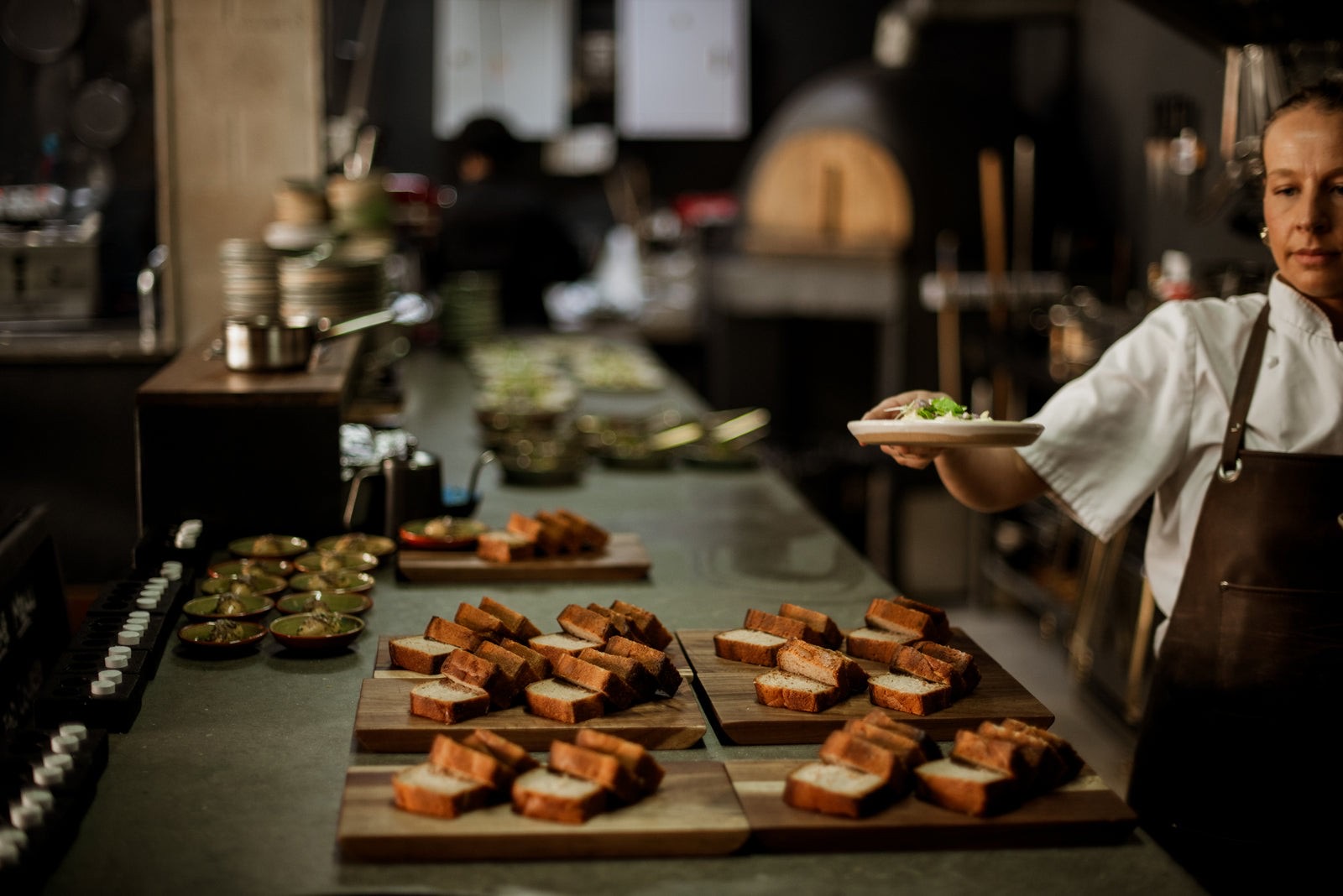
Why go: With just 30 seats and everyone starting together, the whole room follows the kitchen through the meal. The monthly menu puts local sourcing at its centre, including South African cheese and seafood that hasn’t arrived by air. Choose it if you enjoy letting the chefs decide what comes next.
What to order or bookReserve the set menu, share dietary requirements in advance and arrive on time for the common start.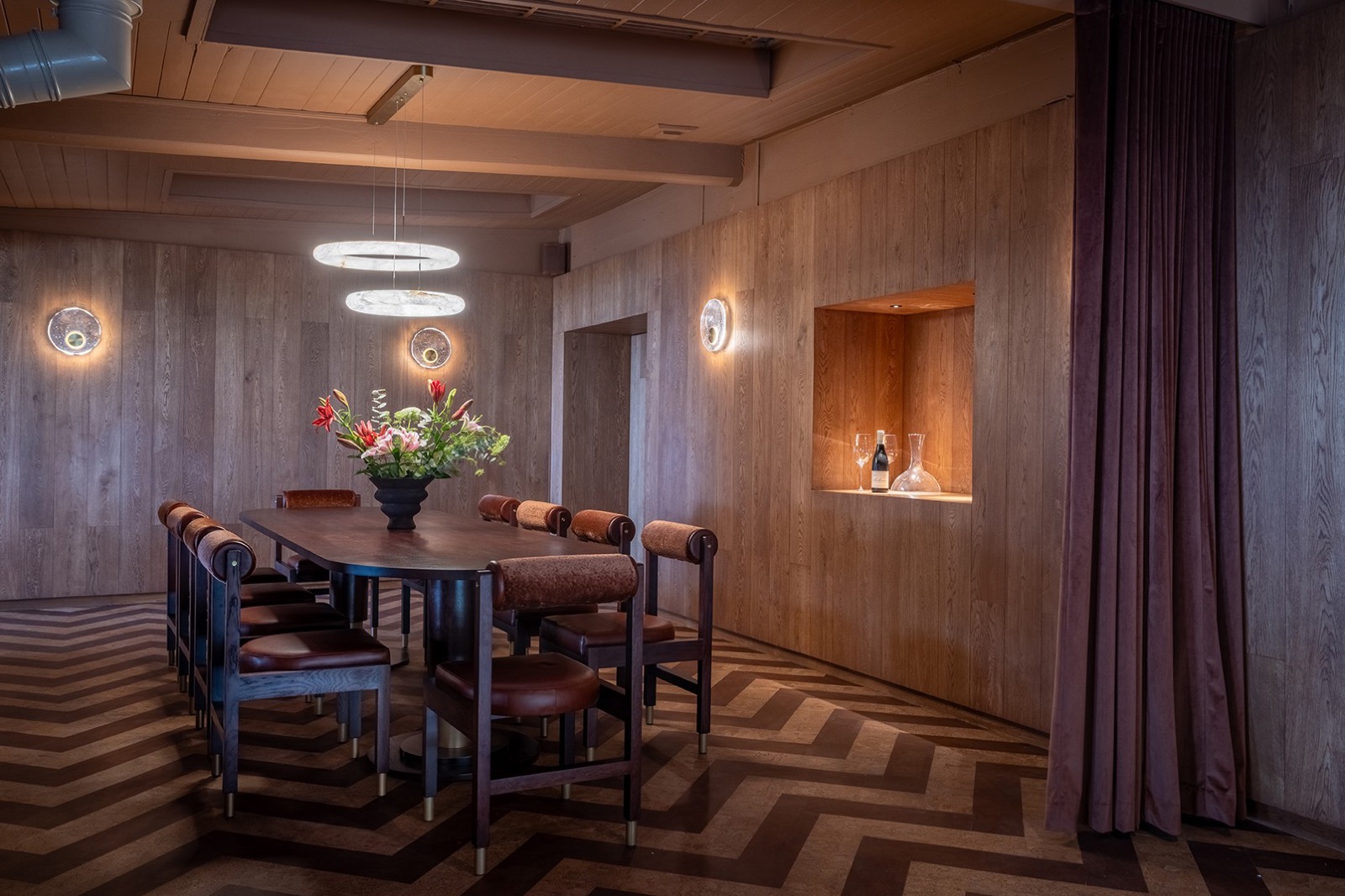
Why go: The menus give familiar ingredients adventurous company, from lamb bredie with tamarind to vegetables treated with the same ambition as the meat and seafood. A dedicated plant-based menu makes this a particularly interesting celebration choice for a mixed group of diners.
What to order or bookCompare the chef’s and reduced menus, with plant-based versions available. Use the Constantia Nek address following the 2026 move.Why go: The journey down from Chapman’s Peak Drive ends at a lodge just above the shoreline, where waves break against the rocks below your table. The sharing menu carries that coastal setting into the meal, including seafood and plants foraged on the property. It’s a meal and a coastal escape together.
What to order or bookBook the seafood-led sharing menu at lunch. Allow time for the transfer down to the lodge.
Wine-estate restaurants for a Cape Town lunch
You can spend an afternoon among vineyards without making the trip to Stellenbosch or Franschhoek. These estates are in the Constantia valley, where lunch and a tasting can comfortably become the day’s main outing. Arrange your transport before settling into the wine.
Why go: The ingredients give this wine-farm restaurant its identity. Peter Tempelhoff’s approach puts smaller producers, rare-breed meats, heirloom vegetables and artisan cheeses at the centre of the meal. We’d choose it when discovering what the kitchen does with that produce matters as much as the vineyard setting.
What to order or bookChoose the tasting menu for a long lunch, or à la carte if you’re visiting more farms.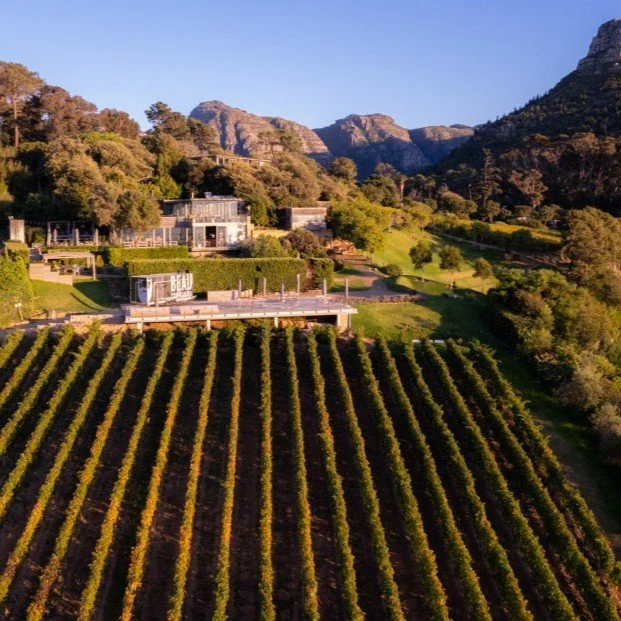
Why go: Ivor Jones’s seasonal cooking combines experimentation, fermentation and local produce with a broad view across the Constantia valley. Kitchen-side tables let keen diners follow the brigade at work. It offers two kinds of entertainment, the landscape outside and the cooking in front of you.
What to order or bookBook the seasonal set menu. Choose kitchen-side seating for the action or request a view; terrace seating depends on the weather.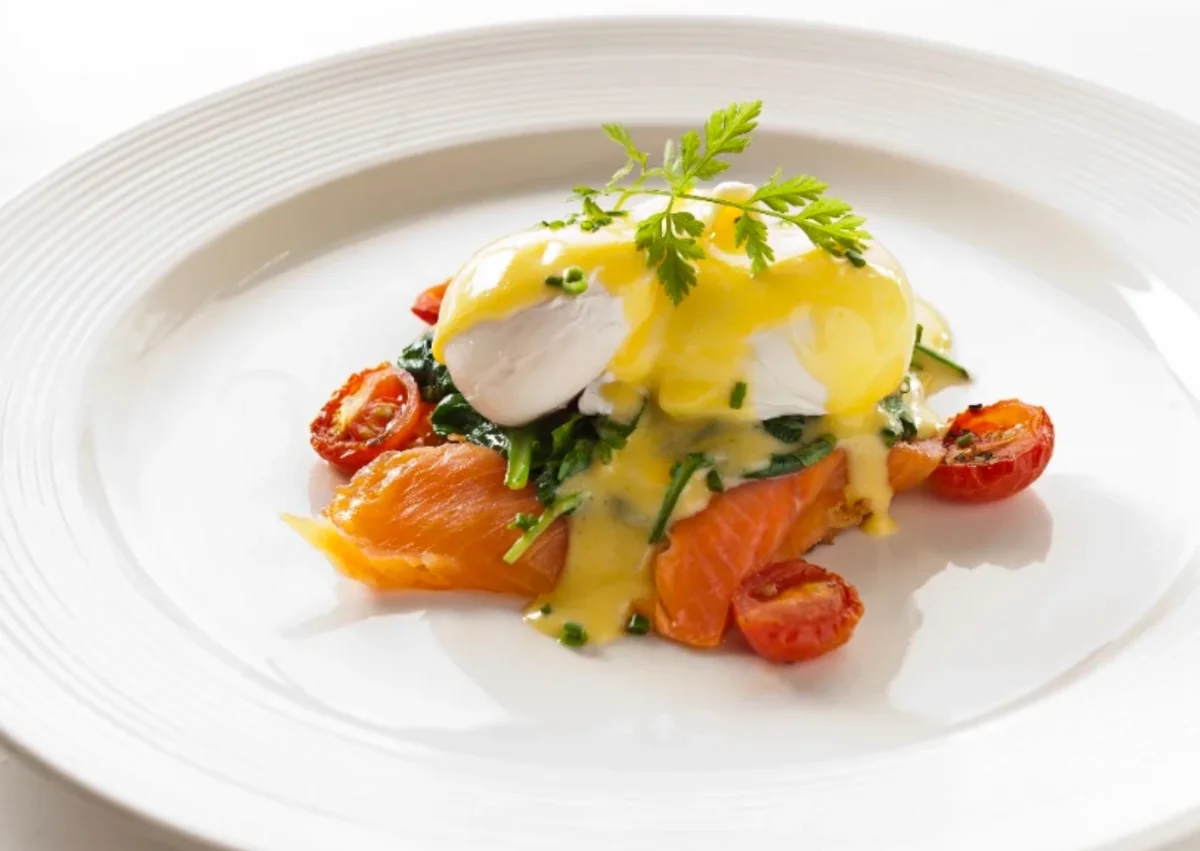
Why go: You’re eating within a working winery, with gardens and mountains beyond the tables. Kerry Kilpin’s kitchen combines bistro cooking with fish sourced through ABALOBI’s small-scale fishing network. The choice of breakfast, lunch or evening tapas makes it easy to fit the estate into your day.
What to order or bookBeef tataki at lunch, or a selection of tapas in the evening with Steenberg wines. Breakfast is also available.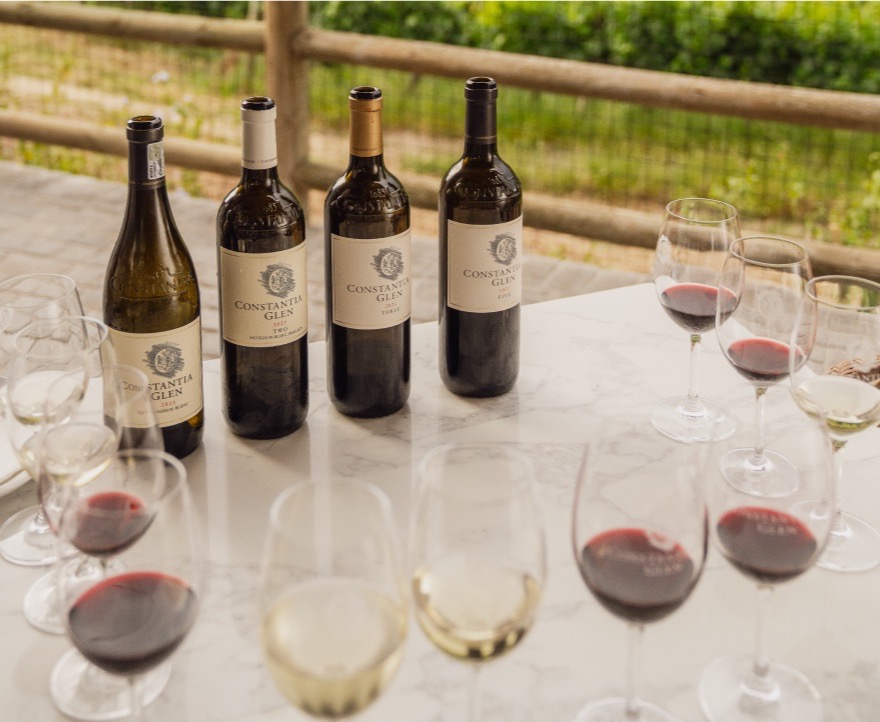
Why go: Here, the wine tasting can happen at your lunch table. Choose a flight, order a platter or flatbread, and taste at your own pace with the vineyards in view. It’s a good fit when you want the wine to lead the afternoon and the food to accompany it.
What to order or bookA flammkuchen, a thin wood-fired flatbread, with an estate tasting flight. Book a table ahead.
Coffee spots and cafés
Give yourself at least one morning with time to sit over your coffee. There’s plenty here for anyone interested in the beans and brewing, as well as cafés where breakfast is reason enough to stay for a second cup.
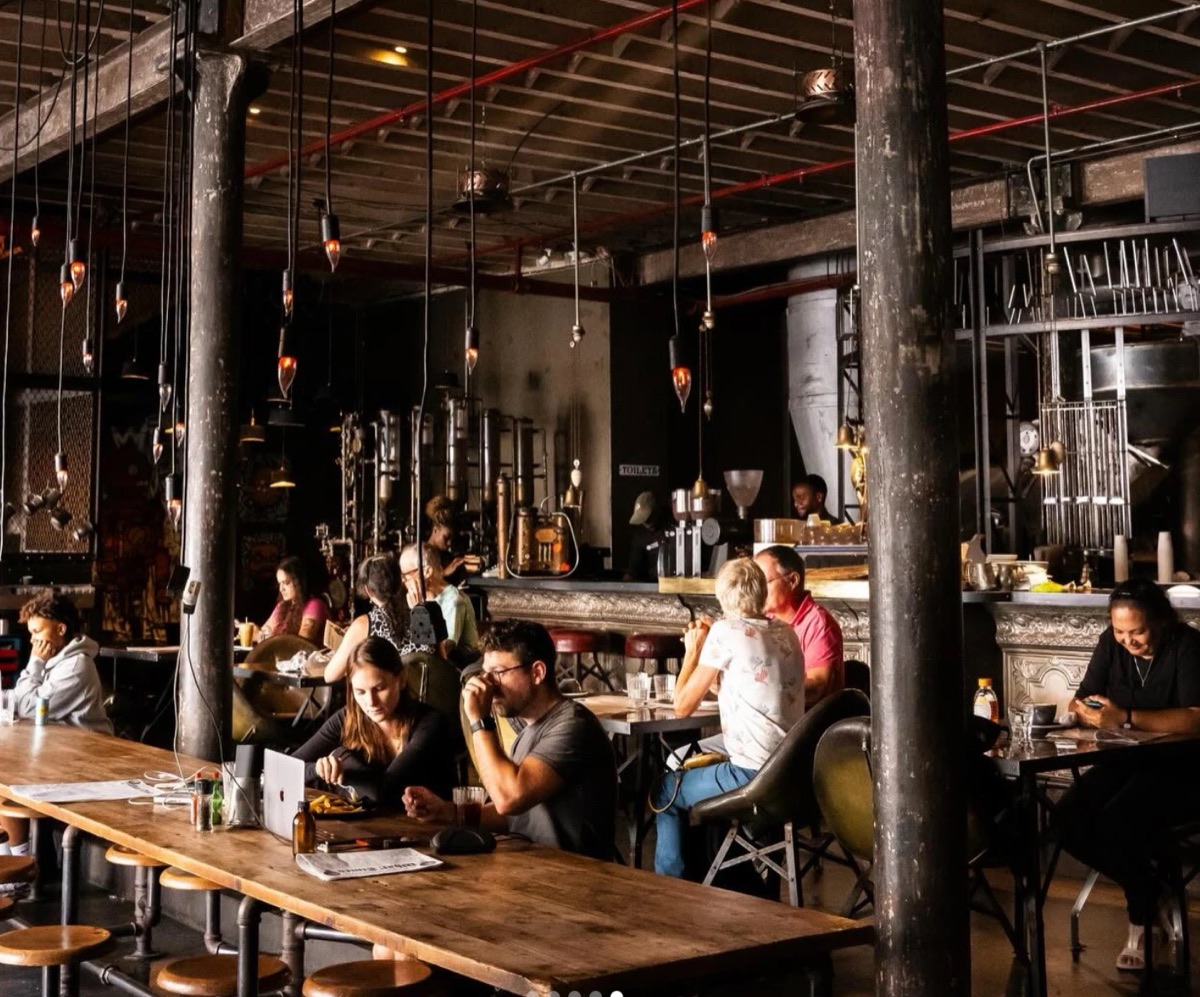
Why go: The café is built around a vintage coffee roaster, with a steampunk interior that makes the coffee stop an attraction in itself. Sit inside to appreciate the machinery and theatrical room. It’s a useful first stop for visitors who enjoy both coffee and unusual design.
What to order or bookAn espresso or flat white. Sit in rather than taking away if this is your first visit.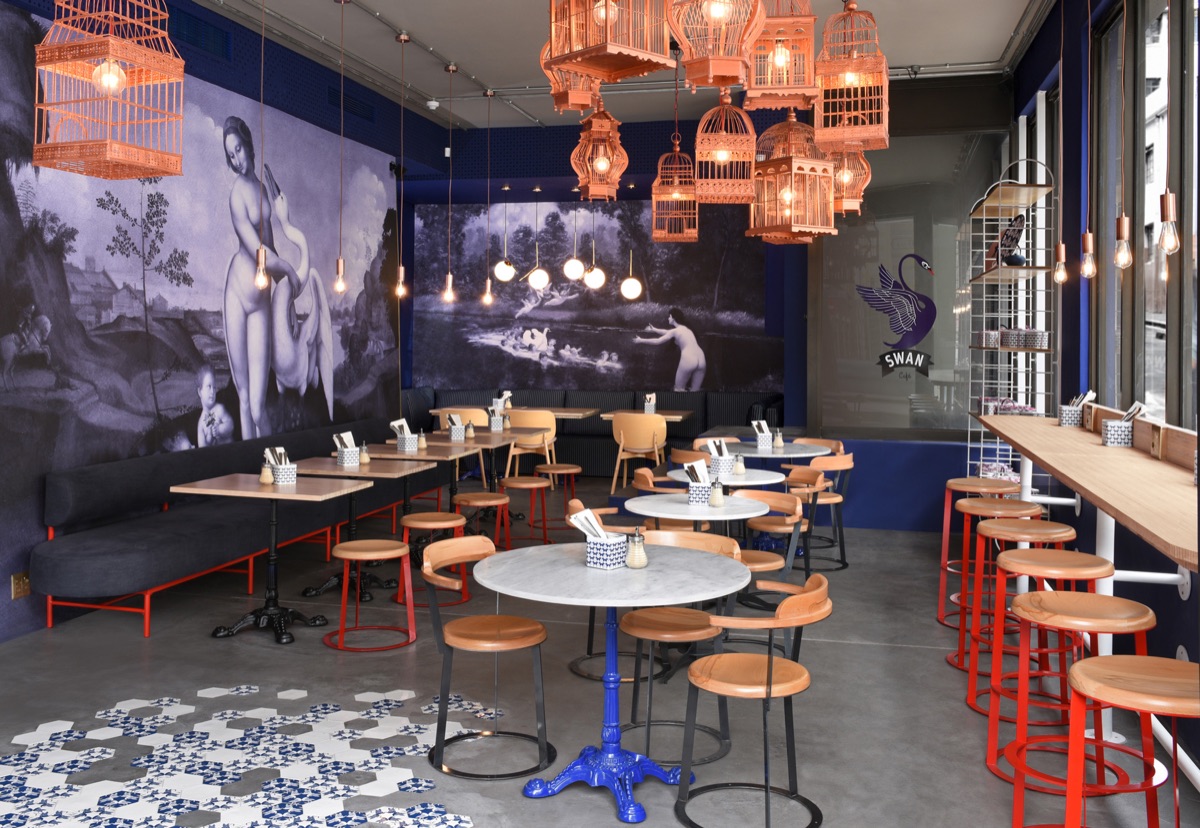
Why go: French-born Jessica Rushmere built Swan around the crêperie tradition, with savoury buckwheat galettes, sweet crêpes and a distinctly French café setting. Its focused menu makes it a good breakfast choice when you want to make a meal of the stop, with all-day brunch for late starters.
What to order or bookA savoury galette for a meal, or a sweet crêpe to share over coffee or one of the house tea blends.Why go: This is a stop for exploring what different coffees taste like. Rosetta releases small batches of single-origin beans and distinguishes lighter, aromatic “Progressive” roasts from fuller-bodied “Classic” coffees. That gives you a useful starting point for a conversation with the barista and a cup suited to your tastes.
What to order or bookTry a single origin on filter, or ask for a Classic coffee if you prefer a fuller-bodied espresso or milk drink.Why go: Origin combines a working roastery with a café and a history of training baristas. The draw is the chance to explore coffee where roasting and brewing are part of the same business, with several brewing methods to try and beans to take home.
What to order or bookAsk for an espresso from the current selection, then choose beans for your home brewing method.Why go: Pauline’s combines specialty coffee with its own sourdough-baking tradition, giving a morning coffee stop something substantial behind it. The small Sea Point space suits an everyday ritual, especially for visitors staying nearby who want a familiar place to return before a promenade walk.
What to order or bookA flat white before your walk, with something from the bakery counter.
Where to go for a drink
Leave a little room in the itinerary for an evening that starts with “just one drink”. These are our picks for an aperitivo before dinner, a lively table with friends or a pub session that carries on into supper.
Why go: The open-fronted room puts you in the middle of Kloof Street’s social life, with Mediterranean food that makes it easy to stay for dinner. Choose it when you want a lively crowd and plates to pass around as well as a cocktail.
What to order or bookA Paloma with pita and something to share. Go with friends for an evening with a crowd.Why go: The appeal is a proper pub evening, with a broad draught selection, its own lager and a substantial food menu. Daily meal specials give it a practical place in the week, too. We’d choose it for a group that wants to settle in over beers and supper.
What to order or bookA draught beer and pub food. Look at the day’s meal special when choosing.Why go: Classic aperitivo drinks come with playful variations, including a cacao-nib negroni. The bar, courtyard and outdoor seats make it an easy place to begin an evening, while a non-alcoholic selection lets everyone take part. Choose it for a drink and a conversation before dinner.
What to order or bookA negroni or spritz and a light bite. The bar at 227 Bree Street takes walk-ins.
Where to stop for something sweet
Dessert deserves a few stops of its own. We’ve chosen places you can fit around sightseeing, a promenade walk or a Peninsula outing, so there’s every reason to stop when something in the window catches your eye.
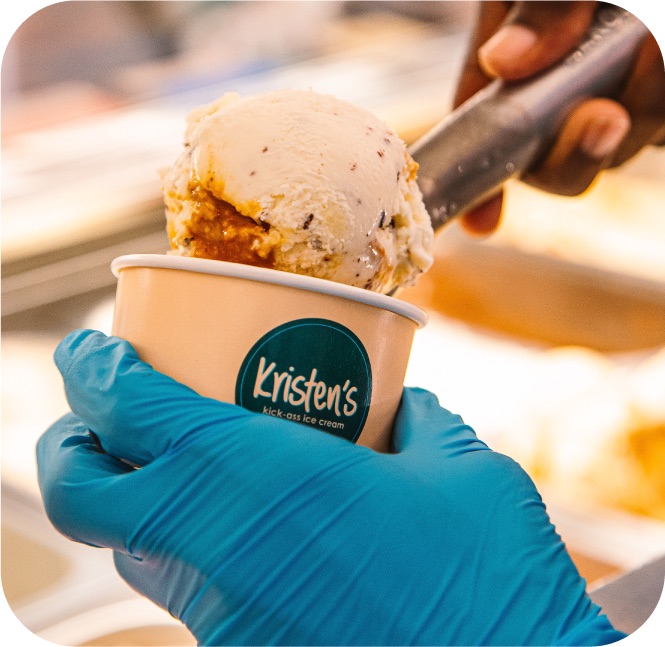
Why go: The ice cream is made in small batches with local dairy, and the cookies, brittle and other mix-ins are made from scratch too. Seasonal flavours give returning customers something new to try alongside the signatures. The Farm Village shop makes an easy dessert stop during a Noordhoek outing.
What to order or bookRoasted cherry and dark chocolate, or sweet cream with dark chocolate honeycomb. There is also a shop at Constantia Uitsig.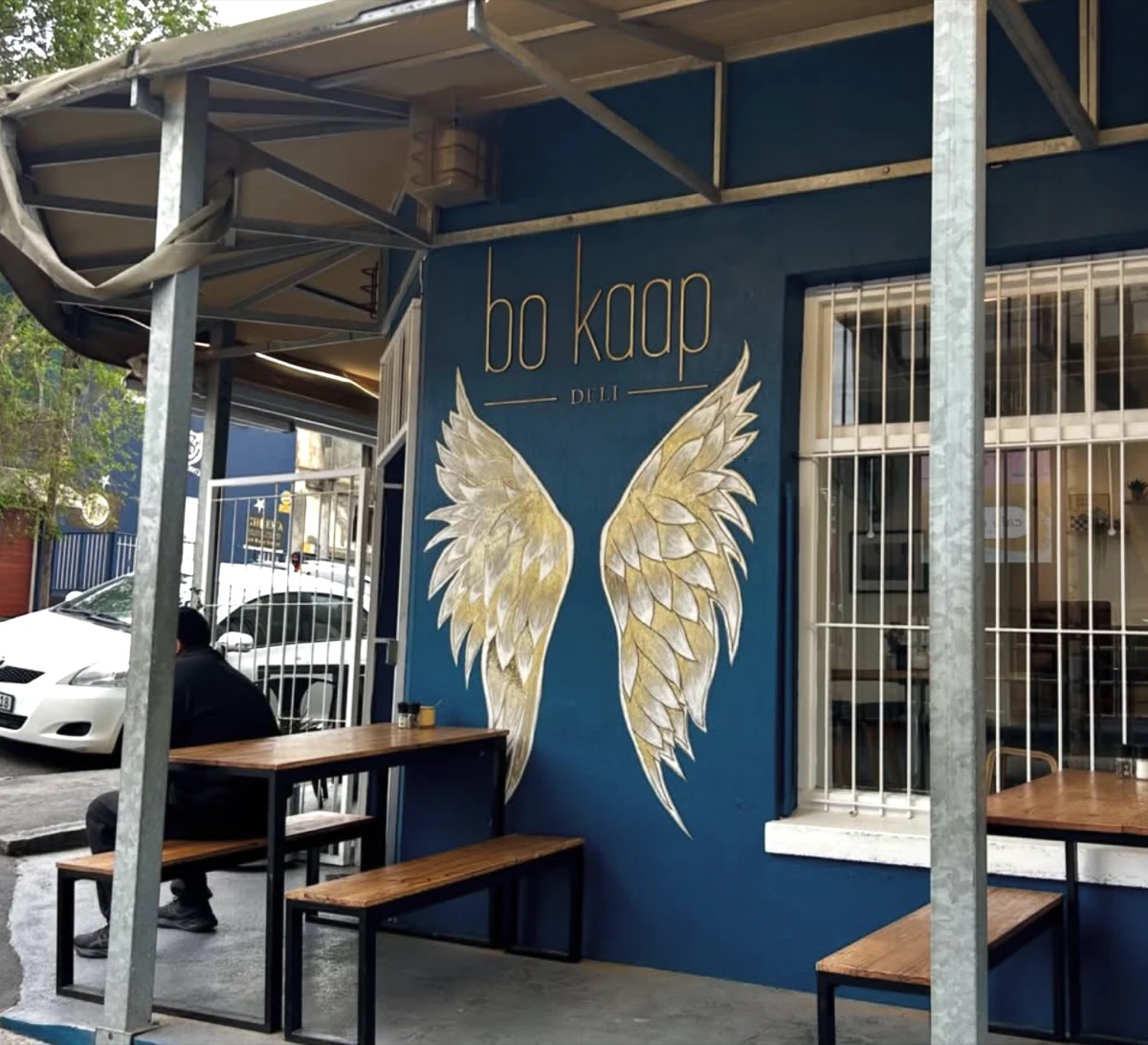
Why go: This stop puts a Cape Malay sweet into the neighbourhood where you’re exploring that food culture. Outdoor tables make it somewhere to pause over a koesister and coffee, with a broader Cape Malay-inspired menu if a quick treat turns into breakfast or lunch.
What to order or bookA koesister, the soft, spiced doughnut dipped in syrup and rolled in coconut, with coffee. Find the deli at Church and Rose streets.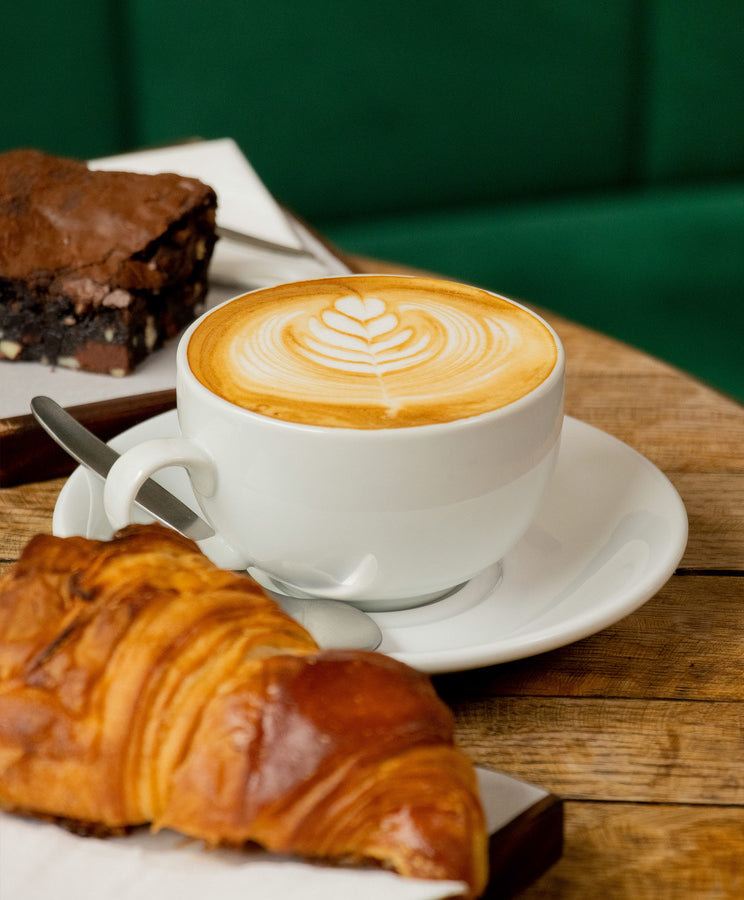
Why go: The small café opens onto a courtyard tucked between the city streets, making it a welcome place to sit over something chocolate-heavy. Its banana bread bunny chow gives a familiar South African food format a sweet twist, and the range includes several vegan-friendly treats.
What to order or bookShare the banana bread bunny chow with chocolate spread and ice cream, or settle in for a hot chocolate.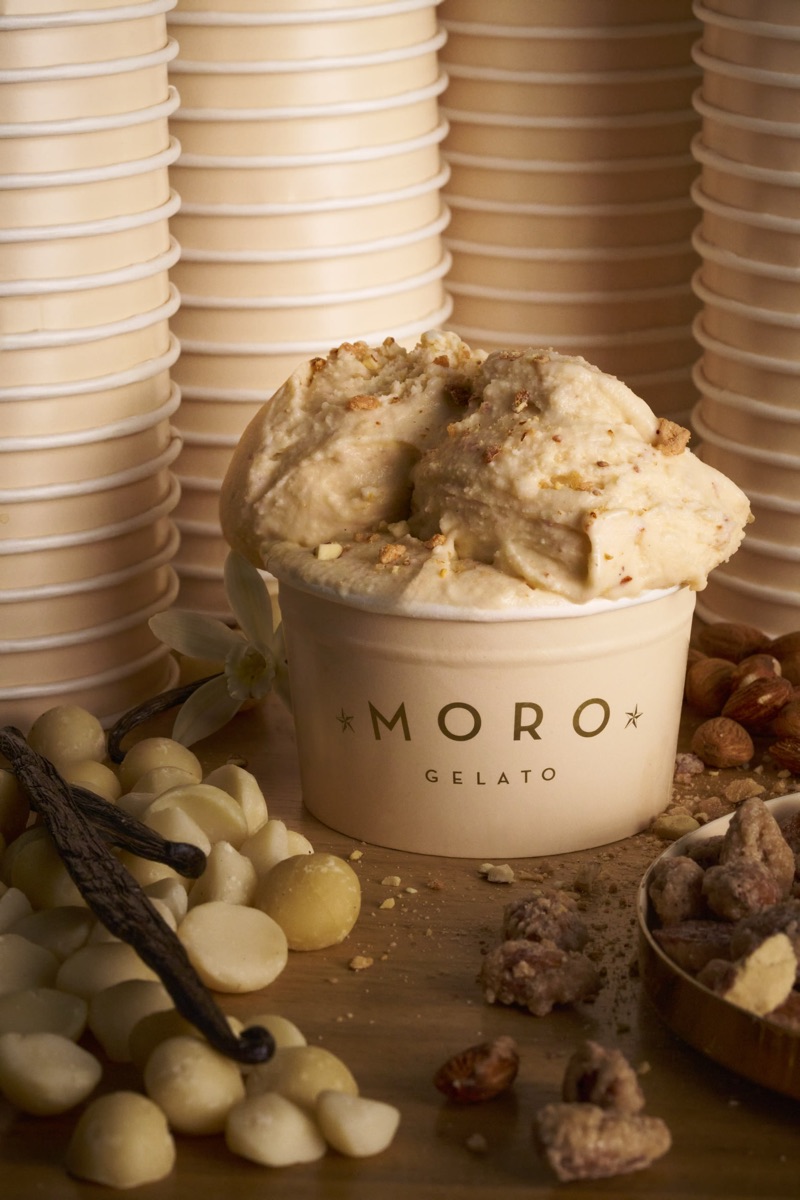
Why go: Look for the covered wells beneath the counter. These traditional pozzetti protect the handmade gelato from air, light and temperature changes. The attention to how it’s made and stored, along with seasonal flavours, makes Moro a worthwhile stop for someone who takes their scoop seriously.
What to order or bookMarchese, vanilla gelato with macadamia butter and caramelised almonds, or Sicilian pistachio.Why go: Choosing your own cookie-and-gelato combination is the fun here. Freshly baked cookies turn a scoop into a substantial ice-cream sandwich, with vegan choices too. It’s an easy family treat near the promenade, particularly when everyone wants to create a different combination.
What to order or bookChoose two cookies and a gelato flavour for a made-to-order sandwich at 126 Main Road.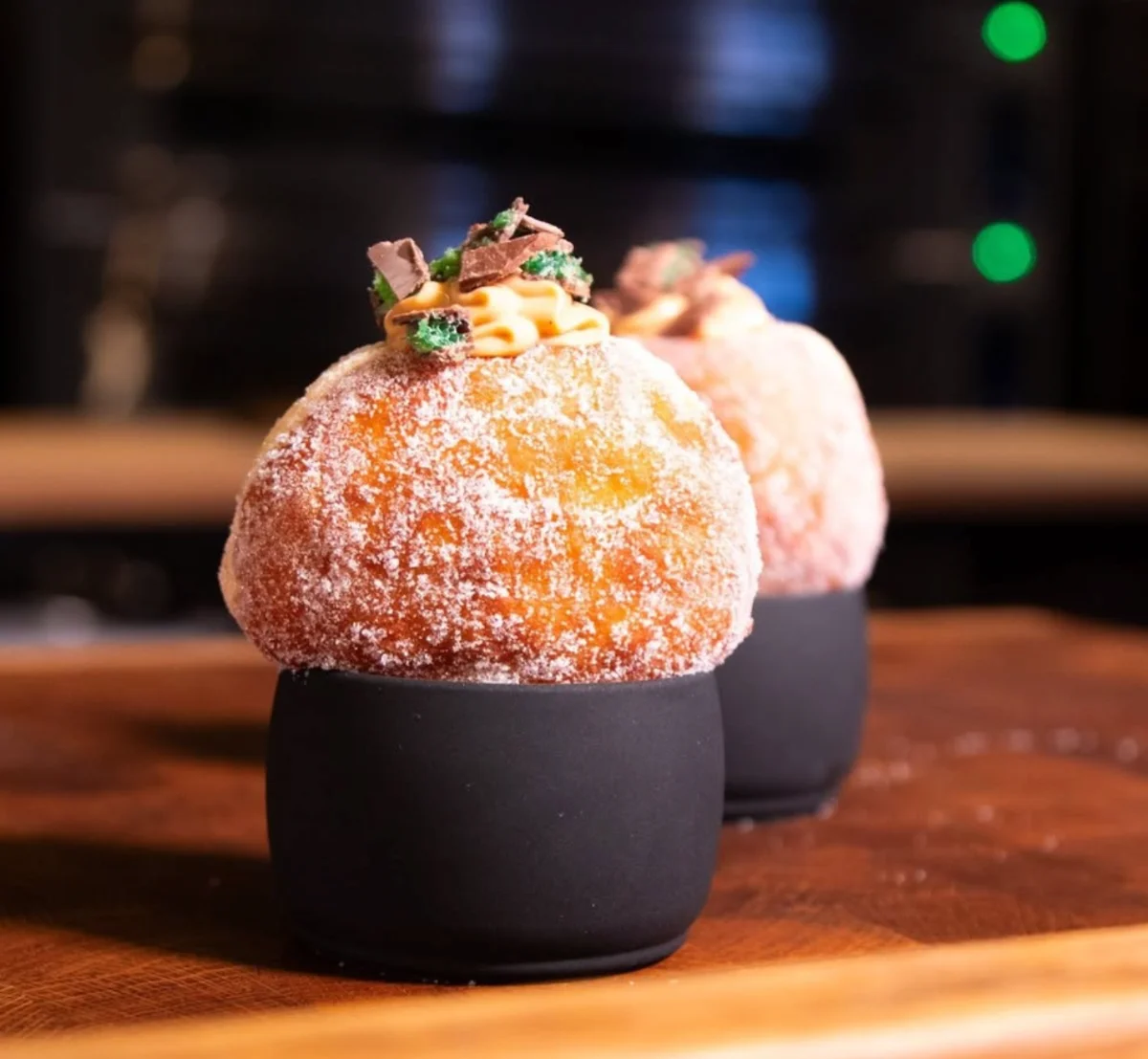
Why go: The reason to stop is the baking itself. Bread, croissants and pastries are made fresh in small batches each day, in a heritage building on Main Road. It’s somewhere to choose a pastry for now and leave with a loaf for later.
What to order or bookAn almond croissant at 83 Main Road, with a look at the day’s pastry selection before ordering.
South African chains to try
Curious about the fast food South Africans grow up with? These homegrown chains are part of the picture too, and handy for a quick meal between plans or a family dinner where everyone can find something they want.
Why go: Spur began in Newlands, Cape Town, in 1967, so this national chain has a local origin story. Its family-restaurant format and familiar steakhouse food make it useful for a relaxed meal with children and a glimpse of an enduring South African dining tradition.
What to order or bookRibs and chips or a Spur burger for a sit-down family meal.Why go: A South African fried-chicken brand dating to 1981, with spicy Hotwings as the order we’d make a stop for. It belongs here for visitors curious about homegrown takeaway culture, especially those who like their chicken with some heat.
What to order or bookStart with a small portion of Hotwings to judge the heat.Why go: If you know Nando’s from home, South Africa is where its story began, in Johannesburg in 1987. Peri-peri chicken is the draw, and the South African art used in the restaurants adds another local connection. It’s an accessible introduction to the country’s Afro-Portuguese food influences.
What to order or bookA quarter chicken with your chosen peri-peri heat and spicy rice.Why go: The flame-grilled burger and seasoned, hand-cut chips give Steers its particular appeal as a quick stop. We’d include it for a taste of South African fast-food habits, with the chips as much a reason to try it as the burger.
What to order or bookA beef burger and hand-cut chips. Choose a King Steer for a bigger meal.
Plan a food day around your sightseeing
| Where you’re spending the day | How to plan your food stops |
|---|---|
| False Bay and Kalk Bay | Choose JJ’s for bunny chow, Kalky’s for fish and chips, or Harbour House for a seafood lunch with a view. Stop at Olympia’s bakery for something to take away. |
| City Bowl and Bo-Kaap | Start with coffee at Truth or crêpes at Swan, then head to Bo-Kaap for lunch. Finish on Bree Street with drinks at Aperitif or dinner at Tomson. |
| Constantia | Choose one wine estate for a long lunch and leave time for a wine tasting. Use the wine-estate section above to choose your table. |
For more choices close to where you’re staying, use our guides to Sea Point, Green Point and Hout Bay. They cover the neighbourhoods in more detail, including smaller places you can fit around a beach day or a walk.
For a ranked shortlist for a special meal, see our companion guide, The 20 Best Restaurants in Cape Town.
Planning your first Cape Town food trip
What food is Cape Town known for?
Cape Town is particularly associated with Cape Malay cooking, Gatsbys and Cape seafood. Try bobotie or curry with roti in Bo-Kaap, a Gatsby to share and snoek if it’s available at the fish shop. Add a coconut-covered koesister for something sweet. The dishes above also include South African favourites enjoyed across the country, such as boerewors, biltong and milk tart.
Where should you eat on your first day?
Choose somewhere close to the sights you’re visiting. For the City Bowl and Bo-Kaap, start with Faeeza’s or Biesmiellah at lunch and one of the Bree Street or Gardens restaurants for dinner. For the Waterfront, Seven Colours gives you a South African meal beside the canal. Save Kalk Bay and Noordhoek for a Peninsula day so you can enjoy the area around the meal.
Which restaurants should you book before arriving?
Prioritise the fine-dining meals and any table with a view that matters to your itinerary. Check dates directly with FYN, La Colombe, Salsify and Chefs Warehouse at Tintswalo Atlantic. For the cooking class at Faeeza’s, reserve the experience in advance. Keep space between those bookings for café stops and takeaway lunches.
Can vegetarians try South African food in Cape Town?
Yes. Faeeza’s serves vegetarian bobotie and butterbean curry with roti. For a special meal, FYN offers a plant-based lunch and Foxcroft has a plant-based menu. Mention your dietary requirements when booking so the kitchen can confirm which dishes suit you.
Menus, prices and opening hours can change. Check directly with the restaurant before you visit, especially if you’re travelling for a particular dish.